

Physical Injury and Mental Health
Public awareness has increased recently regarding the connection between physical and mental health. Physical activity has been identified and is more widely acknowledged as a worthwhile component of holistic mental health care (Vankim 2013), but there is less awareness regarding the mental and emotional impact of acute injury.
As physical therapists, one of the ways that we will often frame the experience of pain is like this: Every physical pain has its mental/emotional component, and vice versa. This essentially means that, even in the case of simple things like a mild ankle sprain, we can experience a negative impact on our mental and emotional state. Similarly, when we are depressed or otherwise experiencing emotional distress, we will often experience physical symptoms (e.g. fatigue, nausea, or even pain).
Specifically, one literature review found that it is not uncommon for individuals to experience “post-traumatic stress disorder, depression and anxiety” following a traumatic injury (Wiseman 2012). In cases of chronic pain, psychiatric and medical/physical symptoms can “interface prominently” (Gatchel 2004), meaning there is substantial interaction between these 2 domains. As such, we need to recognize and acknowledge that dealing with an issue in either of these areas can lead to the development or worsening of issues in other areas. Fortunately, this is not the end of the world, but timely recovery in either of these areas can benefit from an awareness of the effects that each one can have on the other.
Knowing this can help provide a measure of reassurance, but given the stigma surrounding mental health and seeking out mental healthcare, individuals dealing with a physical injury and/or chronic pain may not look for or receive the care that they need. A narrative review of student athletes published in 2015 found that many athletes considered seeking help to be a “sign of weakness” and felt that they should be able to “push through” psychological issues on their own (Putukian). This approach is not helpful to recovery, and is certainly not unique to the athletic world. Recognizing the need for psychologically-informed healthcare across the spectrum of care has been a topic of recent focus for rehabilitation organizations and will hopefully drive better awareness and interventions in the future.
If you or someone you know is dealing with an injury and is feeling the weight of anxiety, depression, or any other emotional or mental distress as a result of said injury, know that this can be a normal part of the journey to recovery. Also know that there is help out there! Letting someone on your healthcare team, whether that’s your PCP, physical therapist, psychiatrist, counselor, etc. know that you are struggling with these issues is the first step towards getting that help. From there, your team can collaborate to find solutions that work for you. For example, your physical therapist may be able to suggest other forms of exercise to keep you moving while you rehabilitate, and may be able to touch base with other providers on your team to see how we can better support you with whatever tools and resources you need.
Your mental health is important and plays a substantial role in your rehab. You don’t have to struggle with emotional distress on top of your physical injury - there is help, and there is hope. Reach out, and we will do our best to help you keep moving.
Article By: Jason Hubbard, PT, DPT, OCS, USAW-2
References
Gatchel, R. J. (2004). Comorbidity of chronic pain and mental health disorders: The biopsychosocial perspective. American Psychologist, 59(8), 795–805. https://doi.org/10.1037/0003-066X.59.8.795
Putukian, M. (2016). The psychological response to injury in student athletes: A narrative review with a focus on mental health. British Journal of Sports Medicine, 50(3), 145–148. https://doi.org/10.1136/bjsports-2015-095586
Vankim, N. A., & Nelson, T. F. (2013). Vigorous physical activity, mental health, perceived stress, and socializing among college students. American Journal of Health Promotion: AJHP, 28(1), 7–15. https://doi.org/10.4278/ajhp.111101-QUAN-395
Wiseman, T., Foster, K., & Curtis, K. (2013). Mental health following traumatic physical injury: An integrative literature review. Injury, 44(11), 1383–1390. https://doi.org/10.1016/j.injury.2012.02.015
Runners Need Strength Training Too!
Runners Need Strength Training Too
The weather is getting nicer and more and more people will be lacing up their running shoes to go out for a run. Living in Colorado, many people have been running throughout the winter, but this is the time for those not-so-die-hard runners to get back out pounding the pavement. As such, this is also the time when physical therapists such as ourselves tend to see an uptick of runners coming to see us with various injuries. In an effort to minimize your risk of injury, and therefore, your risk of having to come see me and listen to my terrible jokes, I am going to let you in on the secret to minimize your risk of injury as a runner. You ready for it?
You need a strength training routine.
I know. Not the answer you were hoping for. But honestly, after treating countless runners in my thirteen years in practice this is the almost universal fix for the myriad of injuries I’ve seen in my running clientele. I’m not here to try to convince you that you need to be spending multiple, hours long sessions in the gym each week lifting massively weighted barbells. I get it - that’s not your thing. You run because you love running. If you loved lifting heavy ass barbells, you would be doing that instead of running. It’s rare to come across someone who loves both of those things. But I’m here to tell you that you can reap the benefits of a strength training program by spending 20-30 minutes, three times a week, often with very little equipment. This will help you run more, run further, run faster and most importantly, run healthier.
Here’s my case, in two brief points.
Point number one: Running moves you through the same movements over and over and over and… well, you get the idea. The same movements very repetitively. Many runners have said to me, “Well I run a lot, so I don’t really need to strength train because my legs get tired from running, so that means I’m building strength!” That’s not true. Running, the way that most recreational athletes perform it, is an aerobic activity. Your legs get tired from repetitive, low threshold contractions. Unfortunately, that is not the recipe for building strength. Strength is built when you are moving a resistance that is very difficult for 8-12 repetitions at a time. Recommended running cadence (number of foot strikes) is in the range of 170-180 per minute, which means that each foot should be taking 85-90 steps per minute. This is well outside the range of what would be considered strength training. Excellent exercise, but not strength training.
Point number two: We’ve established that just running alone isn’t building strength. Now let me tell you the most common causes of most “overuse” injuries that I see in runners. In most runners that I evaluate for general lower extremity pain with no traumatic type of injury (fall, twist, etc) I find they have weakness in the hip and/or the ankle/foot complex. This becomes quite important when we talk about running mechanics. I’ll focus on the hip specifically for this example. Most often, I see that runners have weakness in the lateral hip muscles which perform hip abduction (lifting the leg to the side, away from the other leg.) On the surface, this seems unimportant since runners don’t perform this movement in their sport. However, when the foot is planted on the ground and the hip abductors activate, they perform a very important function in stabilizing the pelvis. If this doesn’t happen, the pelvis will drop, leading to biomechanical inefficiencies at best, and potentially injurious mechanics at worst. For a visual representation of what can happen when there is weakness (or poor coordination) in these muscles, take a look at photo 1.
Inefficiencies such as this become magnified by the number of times they are repeated, leading to stress on the tissues, often resulting in the pain/injury we see in a patient.
While I could talk on this topic all day long, I will leave you with those two points and hope that you might be convinced. If you’re not, come chat with me and I’ll see what I can do about that! ;) But rather than just try to convince you, I will also now leave you with one of my favorite, minimal equipment required, strengthening exercises to address what you see in the photo above.
Band walks: Photo 2
Get a moderate weight resistance band that is either already a loop as shown, or that you can tie in a loop around your ankles as shown in the photo.
With the band around your ankles, get into a slightly squatted position.
Keeping toes pointing forward, walk sideways. Go 10-20 feet then come back to where you started so that the other leg is now leading. Do this 3-5 times.
You should feel some good fatigue in the sides of your hips!
If you want to come talk more about developing a strength training routine to keep you running injury free, or if you maybe already have an injury preventing you from running, give us a shout and we’ll get you all taken care of!
Author: Heather Shaughnessy, PT, DPT

Do I Need An MRI?
Do I need an MRI?
“But shouldn’t I get an MRI, just to see what’s really going on in there?”
This is a question every therapist hears very regularly. Often times more than once a week. We used to try to explain to our patients that the findings of an MRI don’t much change the course of physical therapy and, unless there are very specific indications for MRI imaging, we are fully able to do our jobs without the results of these scans. All of that is still true, but we also now have lots of research to support that.
Over the past several years, researchers have been taking MRIs of patients who do not have pain and cataloguing the “abnormal findings” that show up. The original of these studies looked at the lumbar spine, which is the part of the spine in the low back. Historically, when a patient ended up getting an MRI which showed a bulging disk, a surgeon would tell them that surgery would fix the disk bulge which would fix their pain. So the patient would sometimes go through with the surgery, but often would not find relief from their symptoms. This was the catalyst for MRI studies of pain free healthy spines. Researchers looked at MRI images of non-painful lumbar spines of people across the lifespan. What they found was fascinating. Some of the lumbar pathologies which were previously thought of as “abnormal” actually ended up being very common findings in certain age groups. For example, the finding of “disk degeneration” shows up in over a third of people at the age of 20. That’s a pretty high number of really young people showing signs of disk degeneration. By the age of 50 years, 80% of people in the study were showing signs of disk degeneration. These are people with no complaints of back pain. What this tells us is that if disk degeneration can be present without the presence of pain, then disk degeneration is not likely to be a pain generating physical abnormality. Instead, it’s probably more analogous to getting wrinkles on your face. Some of us will get wrinkles sooner than others, but eventually most of us get some wrinkles as a normal part of the process of living.
My personal favorite finding of the study of healthy lumbar spines relates to bulging disks. Patients get very scared when they are told they have a bulging disk and often have the notion that to resolve their symptoms they must have surgery to fix the disk bulge. This MRI study clearly dispels that notion. By the age of 40 years, a full half of people in the study showed signs of a disk bulge on their MRI. Remember- that’s WITHOUT having reports of back pain. I don’t know if that blows your mind but it sure blew my mind when I saw those numbers! If we know that this many people can have a bulging disk without pain, then we can safely say we don’t need to fix a bulging disk in order to fix a patient’s pain. This is great news! This means that not nearly as many people need to undergo back surgery to resolve, or at least dramatically lessen their symptoms! Take a look at the table below for the full findings from this study.
Now, you might think to yourself- “That’s great news for people with back pain, but I have pain in my [insert some other body part here.]” But guess what? There are very similar studies to this in several body regions now. These body regions include the knee, the shoulder, the foot and ankle, the hip, and the cervical spine (neck). These studies indicate that, among other injuries, rotator cuff tears in the shoulder and meniscus tears in the knee are actually quite common by the time an individual is in their late 30s to early 40s. This indicates, just as the study of pain free lumbar spines did, that we don’t necessarily need to rely on imaging because the results of those images might just be showing us things that have nothing to do with your symptoms. These images usually will not change what a physical therapist is doing with you in the clinic.
Instead, most physical therapists will assess your strength, range of motion, and movement patterns to look for the factors that are leading to your pain. There are SO many ways to address weakness, tightness, or poor movement that will have dramatic effects on pain regardless of what might (or might not) show up on an MRI.
Therefore, the answer to the age-old question “do I need an MRI?” is often going to be “nope!”
Author: Heather Shaughnessy, PT, DPT
Brinjikji W;Luetmer PH;Comstock B;Bresnahan BW;Chen LE;Deyo RA;Halabi S;Turner JA;Avins AL;James K;Wald JT;Kallmes DF;Jarvik JG; Systematic literature review of imaging features of spinal degeneration in asymptomatic populations. AJNR. American journal of neuroradiology. https://pubmed.ncbi.nlm.nih.gov/25430861/. Accessed October 13, 2021.
The Myths With Low Back Pain
Low back pain is extremely common. As a matter of fact, the point prevalence of low back pain is reported to be as high as 10-12% (Hoy 2010), which means that 10-12% of everyone, at a given random moment in time, is experiencing some kind of low back pain. That’s a lot of people! Fortunately, the overwhelming majority of people who experience low back pain will get better without surgery and without long-term disability (Gurcay 2009, Vos 2008). To help alleviate some concerns you may have about low back pain, here are some of the common myths and misconceptions about it and some information to help you form a more accurate picture of what back pain is and is not:
Low back pain means something is wrong.
In ~95% of low back pain cases, the suspicion of serious pathology is very low (Maher 2017). What this means is that the majority of low back pain is considered “non-specific”, meaning that there is nothing broken, torn, or otherwise seriously “wrong”. The severity of the pain you experience makes it easy to assume that there is some sort of serious problem, but the degree of pain rarely if ever correlates to the degree of damage in low back pain. New activities, life stress, unaccustomed travel, even a new mattress can all contribute to low back pain, and none of these are damaging. Our bodies are simply very protective, particularly of places like our neck and low back, likely due to its proximity to our spinal cord (which is very much worth protecting!).
Low back pain is long-lasting and debilitating.
Across the board, most cases of low back pain improve in 6 weeks (Darlow 2017). Although recurrence of back pain is common, having multiple episodes of back pain also does not mean that anything is wrong. In addition, well-managed back pain does not have to stop you from doing the things you enjoy - some short-term modifications may be necessary while your symptoms calm down, but the goal is always to get you back to as much of your prior level of function as we can. Back pain should not exclude you from living your life.
Disc bulges, degenerative discs, and other imaging findings are closely tied to low back pain.
Significant imaging findings are very common in MRI’s of people who do not have low back pain (Brinjikji 2015) - in fact, by the time you are in your 40’s, you are almost certain to have something show up on an image even if you do not have any pain at all. In addition, imaging only presents a single, static snapshot of your back, which does not accurately capture you or your symptoms. You cannot see pain on an MRI! You can see plenty of anatomic variance, but only at that one point. A lot of these things also change over time. For example, current evidence indicates that about ⅔ of disc bulges spontaneously resolve (Jiang 2017), and there is some evidence that bigger bulges are actually more likely to go away all by themselves.
Certain exercises cause low back pain.
Among the common culprits blamed for back pain, running and lifting weights take top billing. However, this blame is almost certainly misplaced. Running actually keeps your discs healthy and hydrated (Belavy 2017), resistance training can help people with degenerative discs improve their function and pain (Steele 2020), and there are no measurable differences between spinal discs in weightlifters and non-weightlifters (Jentzsch 2020). Furthermore, young athletes actually have thicker discs than less active people (Owen 2021). On top of all of this, exercise continues to be one of the top-rated interventions for low back pain. So keep working out! (Within reason - taking a temporary break from irritating activities is also not a bad idea in the case of an acute flare-up.)
Low back pain is associated with certain postures or positions
The relationship between posture and pain has been studied pretty extensively, and there has yet to be a solid causal connection drawn between the two. In fact, a recent review states that, “There is no consensus regarding causality of physical exposure to LBP. Association has been documented but does not provide a causal explanation for LBP” (Swain 2020). In other words, it may be the case that people who e.g. spend more time at a desk may be at higher risk for having some low back pain, but this is hardly set in stone. This relationship may actually be due to entirely different factors. For instance, one study of 243 young female desk workers found that a moderate level of daily physical activity and maintaining a healthy body weight were associated with a lower risk of low back pain in these individuals (Kayihan 2014). So regardless of posture or position, there are likely bigger factors at play (e.g. overall health, level of physical activity) as far as your risk of developing low back pain.
At the end of the day, back pain remains a very common issue across the board. However, it is rarely as bad as the fear-mongering in social media (or doctor’s offices, unfortunately) can make it out to be. It is generally not associated with any significant pathology, it almost always gets better over time (even on its own!), you can still exercise and sit at a desk if you have back pain, and just because you have stuff on your images (“wrinkles on the inside”, as we call them) does not mean that you are destined for a lifetime of pain and disability. If, however, you are experiencing some back pain that does not seem to be getting better, are worried that it might be something more serious, or have a history of back pain that just keeps returning to haunt you, talking to a physical therapist would be an excellent next step. We can help you figure out what is going on in more detail, give you strategies to help deal with it, and guide you through the murky waters of rehab and recovery.
Author: Jason Hubbard, DPT, PT, OCS, USAW-2
References
Belavý, D. L., Quittner, M. J., Ridgers, N., Ling, Y., Connell, D., & Rantalainen, T. (2017). Running exercise strengthens the intervertebral disc. Scientific Reports, 7(1), 45975. https://doi.org/10.1038/srep45975
Brinjikji, W., Luetmer, P. H., Comstock, B., Bresnahan, B. W., Chen, L. E., Deyo, R. A., Halabi, S., Turner, J. A., Avins, A. L., James, K., Wald, J. T., Kallmes, D. F., & Jarvik, J. G. (2015). Systematic Literature Review of Imaging Features of Spinal Degeneration in Asymptomatic Populations. American Journal of Neuroradiology, 36(4), 811–816. https://doi.org/10.3174/ajnr.A4173
Darlow, B., Forster, B. B., O’Sullivan, K., & O’Sullivan, P. (2017). It is time to stop causing harm with inappropriate imaging for low back pain. British Journal of Sports Medicine, 51(5), 414–415. https://doi.org/10.1136/bjsports-2016-096741
Gurcay, E., Bal, A., Eksioglu, E., Esen Hasturk, A., Gurhan Gurcay, A., & Cakci, A. (2009). Acute low back pain: Clinical course and prognostic factors. Disability and Rehabilitation, 31(10), 840–845. https://doi.org/10.1080/09638280802355163
Hoy, D., Brooks, P., Blyth, F., & Buchbinder, R. (2010). The Epidemiology of low back pain. Best Practice & Research Clinical Rheumatology, 24(6), 769–781. https://doi.org/10.1016/j.berh.2010.10.002
Jentzsch, T., Farshad-Amacker, N. A., Mächler, P., Farei-Campagna, J., Hoch, A., Rosskopf, A. B., & Werner, C. M. L. (2020). Diurnal T2-changes of the intervertebral discs of the entire spine and the influence of weightlifting. Scientific Reports, 10(1), 14395. https://doi.org/10.1038/s41598-020-71003-z
Jiang, H. (2017). Incidence of Spontaneous Resorption of Lumbar Disc Herniation: A Meta-Analysis. Pain Physician, 1(21;1), E45–E52. https://doi.org/10.36076/ppj.2017.1.E45
Kayihan, G. (2014). Relationship between daily physical activity level and low back pain in young, female desk-job workers. International Journal of Occupational Medicine and Environmental Health, 27(5), 863–870. https://doi.org/10.2478/s13382-014-0315-3
Maher, C., Underwood, M., & Buchbinder, R. (2017). Non-specific low back pain. The Lancet, 389(10070), 736–747. https://doi.org/10.1016/S0140-6736(16)30970-9
Owen, P. J., Hangai, M., Kaneoka, K., Rantalainen, T., & Belavy, D. L. (2021). Mechanical loading influences the lumbar intervertebral disc. A cross‐sectional study in 308 athletes and 71 controls. Journal of Orthopaedic Research, 39(5), 989–997. https://doi.org/10.1002/jor.24809
Steele, J., Bruce-Low, S., Smith, D., Jessop, D., & Osborne, N. (2020). Isolated Lumbar Extension Resistance Training Improves Strength, Pain, and Disability, but Not Spinal Height or Shrinkage (“Creep”) in Participants with Chronic Low Back Pain. CARTILAGE, 11(2), 160–168. https://doi.org/10.1177/1947603517695614
Swain, C. T. V., Pan, F., Owen, P. J., Schmidt, H., & Belavy, D. L. (2020). No consensus on causality of spine postures or physical exposure and low back pain: A systematic review of systematic reviews. Journal of Biomechanics, 102, 109312. https://doi.org/10.1016/j.jbiomech.2019.08.006
Vos, C. J., Verhagen, A. P., Passchier, J., & Koes, B. W. (2008). Clinical Course and Prognostic Factors in Acute Neck Pain: An Inception Cohort Study in General Practice. Pain Medicine, 9(5), 572–580. https://doi.org/10.1111/j.1526-4637.2008.00456.x
Everybody has one, nobody wants to talk about it: What is my pelvic floor and how do I know if it’s not working right?
Pelvic health is all the rage right now. From medical journals to Self Magazine to TikTok, the pelvic floor is a hot topic. There’s plenty of evidence that shows that a healthy pelvic floor can be key in overall physical health and quality of life1. But what exactly IS the pelvic floor, and why is it so important?
In short, your pelvic floor refers to the muscles that sling between your pubic bone in the front of your pelvis and your tailbone. Of course, these muscles help you do the things you’d expect, like supporting bowel and bladder control and helping with sexual function. But these muscles do much more than that - they also play an important role in keeping your core stable. They’re the muscles that help you control your posture and keep you from overexerting your back muscles2 during daily activities like moving from sitting to standing, to maintaining balance and strength during more demanding activities like lifting and running. We use these muscles all day, every day, for much more than just controlling our bladders.
So how do we know if there’s something wrong with these muscles? When you mention “pelvic floor”, it brings to mind the image of the new mom who’s struggling to keep bladder control during sneezing or coughing. But pelvic floor problems are much more common than you think – and the symptoms can vary. Symptoms of pelvic floor dysfunction include:
· Urinary leaking
· Uncontrollable gas or difficulty with bowel control
· Feelings of heaviness or increased pressure in the pelvis, like your insides are slipping down
· Constipation – do you ever feel like you need to strain or push too much with BMs? Have painful BMs?
· Difficulty fully emptying your bladder – do you ever have to go to the bathroom 5 minutes after you’ve just gone?
· Pain or burning with urinating
· Sexual dysfunction, including pain with sex or difficulty with erections
· Low back, hip, groin, or tailbone pain that hasn’t been helped with other treatments
· Having to get up to urinate 2+ times / night on a regular basis
If you’re experiencing any of these symptoms, the first thing to realize is that YOU ARE NOT ALONE. More than 1 in 4 women will at one time or another experience one or more of these issues3. The likelihood of having trouble controlling your bladder or experiencing pelvic pain increases with age and with giving birth. Men are also likely to experience pelvic floor problems, but because of the lack of knowledge, the stigma, and the discomfort associated with experiencing pelvic floor issues, pelvic floor problems in men are underreported4. You may find that it’s embarrassing or difficult to discuss issues like pain with sex or urinary leakage with your doctor, but these problems are both very common and very treatable.
The next thing to realize is that, while popular, doing kegels may not be the best answer to some of the problems listed above – in some instances, it could actually worsen your symptoms! What’s more, research has shown that as many as half of us are doing kegels incorrectly5.
In many cases, it’s best to see an expert to get your pelvic floor evaluated. Pelvic floor physical therapists have specialized training in pelvic floor issues and can teach you exercises, healthy habits, and even breathing techniques that can often get you feeling better quickly. So, if these symptoms are sounding all too familiar to you, come see us so that we can help you gain the knowledge, coordination, and confidence you need in your pelvic floor to move about your world!
Author: Dr. Katheryn Weed, PT | November 16th 2021
1. Bedretdinova A, Fritel X, Zins M and Ringa V. 2016. The effect of urinary incontinence on health-related quality of life: is it similar in men and women? Urology. vol. 91, pp. 83-89.
2. Pelvic Core First. 2016. The Pelvic Floor and Core [online] [viewed 29 March 2018]. Available from: https://www.pelvicfloorfirst.org.au/pages/the-pelvic-floor-and-core.html
3. Wu, Jennifer M et al. “Prevalence and trends of symptomatic pelvic floor disorders in U.S. women.” Obstetrics and gynecology vol. 123,1 (2014): 141-148. doi:10.1097/AOG.0000000000000057
4. Hirschhorn AD, Kolt GS and Brooks AJ. 2013. Barriers and enablers to the provision and receipt of preoperative pelvic floor muscle training for men having radical prostatectomy: a qualitative study. BMC Health Services Research. vol. 13, no. 1, pp. 305
5. Mason L, Glenn S, Walton I and Hughes C. 2001. The instruction in pelvic floor exercises provided to women during pregnancy or following delivery. Midwifery. 2001, vol. 17, no. 1, pp. 55-64.
Should I train through an injury?
All athletes fear getting injured, and yet all athletes will experience an injury at some point in their careers. Even just recreational level athletes will likely experience at least one injury during their athletic “career” that makes them adjust their training to some degree. When this injury isn’t an obvious play ending injury such as a fracture, it can sometimes be confusing for the athlete to know if they can train and compete through an injury. I’m here today to discuss some considerations for times when you are faced with this decision.
First, and foremost- if pain is present, there should be more consideration given to the situation than the advice of some coaches which is just to “suck it up” and keep playing. There are times when this advice might be acceptable, but we need to determine if this is one of those times or not. The best way to do that is to come to a sports oriented physical therapist. We can assess strength, range of motion, and perform clinical tests to determine the integrity of the region of the injury, thus helping us determine the cause of the pain. This assessment allows us to make very individualized recommendations to our patients about whether they should temporarily stop their training, continue with modifications, or if they are good to continue as normal.
It is important to note that of the three options I just mentioned, none of them are to completely give up your sport or activity. I think that, for the most part, if a physical therapist (or other health care provider) tells you that you cannot ever return to your sport or activity, it’s time for a second opinion. Telling an athlete that they cannot ever return to their sport should be such a rare prescription that in my almost thirteen years as a physical therapist, I don’t believe I have ever told a patient that they won’t ever be able to return to their chosen sport. Any restrictions placed on a patient’s current level of activity should be temporary with the goal of fully returning to their sport.
That being said, there have been countless times that I have talked with an athlete about pausing or modifying their training until they can safely return to sport. This is probably the most common response to whether or not an athlete should continue to train through an injury. The research is pretty clear with any injury or pain that we want our patients to stay as active as they can without aggravating their symptoms. This will keep our athletes as physically and mentally strong and engaged as we can while allowing time to rehab their injury. When you come to physical therapy, your therapist will help you determine what modifications need to be made to allow you to participate as fully as possible while allowing for time to heal and rehab your injury.
Making these modifications to training is important for many reasons. The most obvious is to avoid further injury to the same region or tissue. Another excellent reason to modify training for an injury is to avoid compensations due to that injury. If you have pain, decreased strength, or decreased range of motion, you are likely to change your movement patterns. These compensational movement patterns are usually not great movement patterns that at best can make you a less efficient athlete and at worst can open you up to further injuries, either of the pre-existing injury or something completely new.
There are some very limited instances when we might allow an athlete to continue training or to compete through an injury. A recent example in our own clinic is when an athlete ruptures their ACL, but they have only one competition left of their season as a highschool senior and they do not plan to continue with their athletic career beyond highschool. In such a case, we might allow the athlete to participate in the last competition to a certain degree for the athlete’s emotional wellbeing. These cases are quite rare, and are often discussed in detail with the athlete and with their parents when applicable. An athlete might also be allowed to continue training or competing if it is determined that their injury will not get worse with continued training or if the injury just does not play a role in that athlete’s chosen sport. Such as a hand injury in a cross country runner- it is likely there would be minimal to no change in this athlete’s training.
In most cases, though, there will need to be modifications to training to allow time for injured tissues to heal, and to regain normal levels of strength, range of motion, and motor control to avoid further injury. Continuing to play without addressing an injury is just asking for further problems. So the next time you (or your child) has pain or injury, come see us so that we can help you determine what modifications to make and then get you an individualized treatment plan to get you back in action as soon as possible!
Author: Heather Shaughnessy
6 Ways to Switch Up Your Home Exercise Routine
Is the monotony of your home workout routine setting in? Check out this blog for some ideas on how to spice up your home workouts!
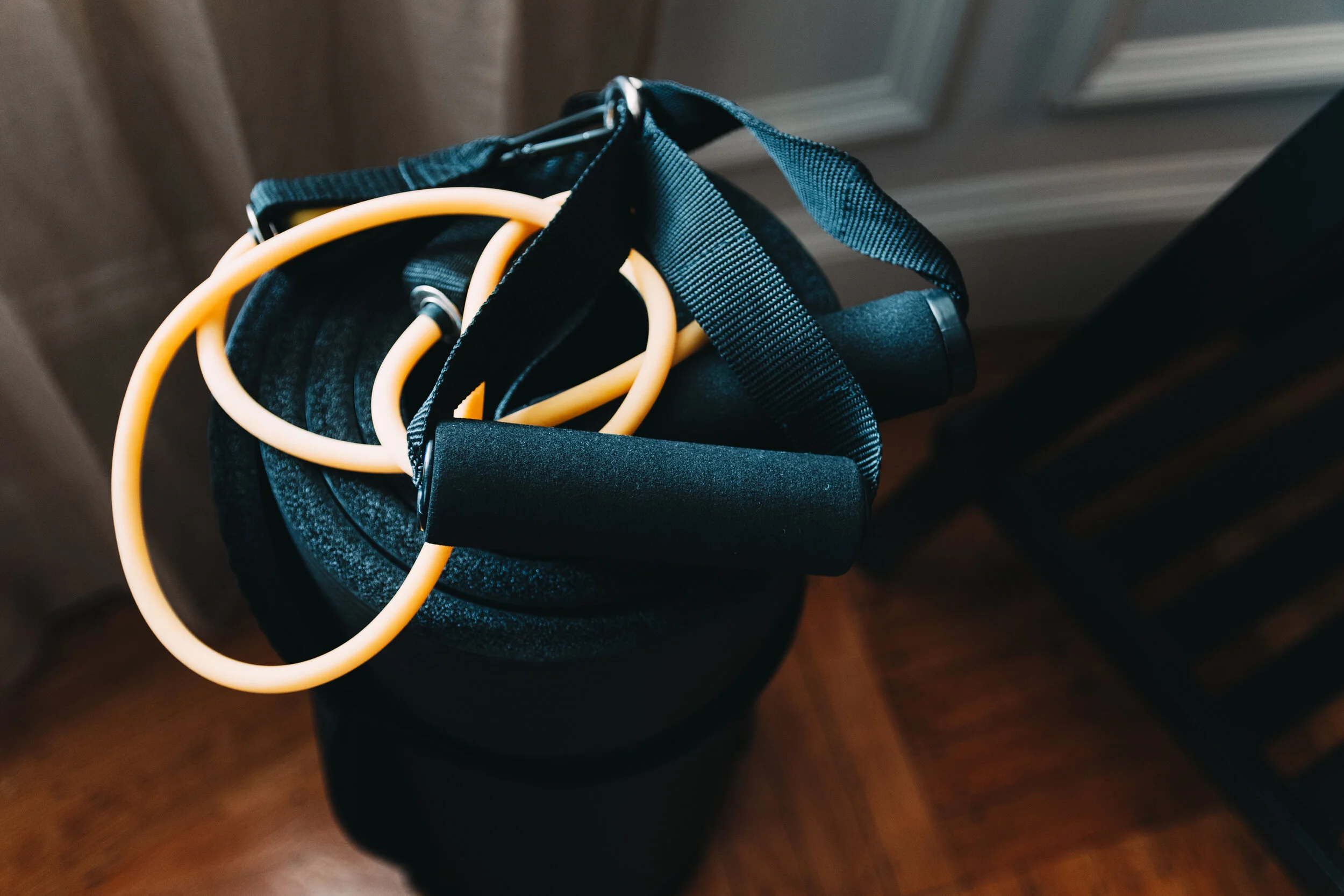
With the current public health environment and subsequent fitness center closures, many people are turning to at-home workouts for their daily dose of exercise. As Coloradoans continue to exercise from home or while socially distancing outdoors, we wanted to stress the importance of varying your exercise routines to maximize your individual workouts. Elements of variety in our exercise routines are critical for continuing to make improvements and provide novel stimuli to our nervous systems that will drive adaptations in variables such as strength, mobility, and aerobic capacity. We’ve compiled some ideas on how you can glean more out of your home exercises:
Add more unilateral exercises. Working on one side of your body at a time with a given exercise allows you to hone in on potential imbalances side-to-side and prevent compensations from the stronger limb. Unilateral work also demands increased core recruitment for added midline stability and balance during an exercise.
Move laterally. Running, squats, deadlifts, cycling, bench pressing...all these exercises largely involve moving your body in one plane. By adding more lateral movement to your routine, you can challenge different muscle groups and provide a novel input to your nervous system to drive further strength and mobility adaptations.
Switch up rep schemes. Bodyweight or other light-weight exercises typically lend themselves to higher rep ranges, though this all depends on how strong you are to start. If you are used to lifting heavier for fewer reps, now is a great time to rack up some reps and pump up the volume. Some creative ways to do this include drop sets, supersets/giant sets (especially if focused on one body region), cluster sets, and pyramid sets.
Decrease rest periods between sets. Altering rest periods is an easy way to change the intensity of your exercise routine. Generally, the less rest you give yourself between sets or between different exercises, the more intense the workout will feel.
Add tempo work into your strength routine. Specifically, slowing down the lowering/release/eccentric portion of the lift, speeding up the lifting/concentric portion of the lift, and adding a hold at the point of maximal tension are great ways to add some extra burn and stimulate muscle and strength gains.
Explore your weak points. We all have things we avoid when it comes to exercise. Now is a great time to explore some other options! If you’re a runner, dive into some strength training or a cycling regimen; if you’re a powerlifter, work on your aerobic base, sprint training, or something else that makes you uncomfortable.
If you are struggling with the monotony of your home workout routine and feel you need some guidance, we offer customized workout programming tailored to your goals and time/equipment/space availability. Contact us today to see how we can help you achieve your fitness goals on your own terms!
Nothing Good Happens the Longer Your Foot Is On the Ground
How can monitoring and adjusting your running cadence help potentially reduce your risk of sustaining a running-related injury?
It’s Springtime in Colorado and as more Coloradoans are taking their fitness outdoors, many are turning to running due to its ease of accessibility, minimal equipment requirements, and overall health benefits. Despite being an incredibly popular sport, the lower extremity injury rate in runners is relatively high, with a recent review by the British Journal of Sports Medicine estimating that up to 75% of recreational runners sustain a running-related injury at least once annually (1). There are numerous intrinsic and extrinsic factors that can play a role in running-related injuries including (but not limited to) lower extremity kinematics (i.e. the way the body moves independent of any forces acting upon it), age, BMI, running mechanics, terrain, and training volume. Some of these factors are obviously modifiable, and some are not.
Running is a highly repetitive single-leg impact activity. While running, the stance leg is responsible for absorbing up to 3 times a person’s body weight with each foot strike (1). With that being said, it is no surprise that running-related injuries are highly associated with the magnitudes and rates of impact forces when the foot strikes the ground. The longer a runner’s foot is on the ground with each foot strike, the more strength and range of motion is needed to properly control that limb and the forces acting upon it. Based on this, it would make sense to try and decrease the amount of time your foot is in contact with the ground with each step in order to reduce the forces going through your legs. This is where making small adjustments in cadence, or step rate per minute, can come in.
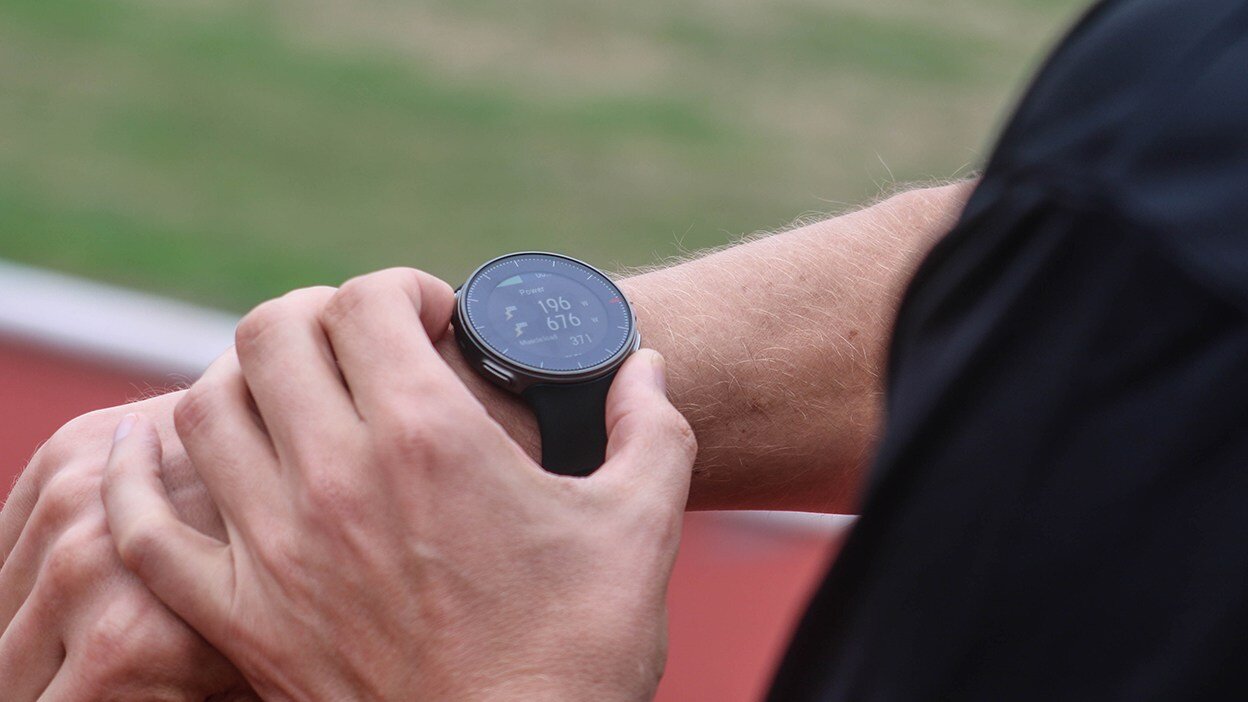
Cadence is a popular buzzword within the running community, and with good reason. When a runner increases their cadence, they are increasing the number of steps they are taking per minute. Numerous studies in the last few years have linked increases in cadence to reduced load on joints of the lower extremity as well as soft tissues such as the Achilles tendon and plantar fascia. Changes in cadence as small as 5% have been shown to produce statistically significant reductions in energy absorbed at the ankle, knee, and hip (2). A study published in 2014 by Lenhart et. al. reported that a 10% increase in step rate was shown to reduce peak knee joint forces by 14% in 30 healthy recreational runners (3). In addition to reduction in load to lower extremity tissues, increasing cadence has also been shown to improve running economy, which is a measure of efficiency in runners (i.e. the amount of oxygen your body requires at a particular pace – think of it as “fuel economy” for the body) (4). Improved running economy can translate to improved performance as the body demands less oxygen for a given pace/distance, potentially allowing a runner to cover more distance or increase pace with less fatigue.
As a clinic, we often discuss cadence with our runners to help determine what an “ideal” cadence may be for them in order to manage current injuries and/or prevent future ones. If you feel cadence may be something you can improve upon, call us to set up an evaluation and stay tuned for a future blog post on ways to calculate and improve cadence with a few simple, at-home drills!
*The title of this blog is derived from a great quote by Chris Johnson, a physical therapist out of Seattle who specializes in treating endurance athletes.
References:
1. van Gent RN, Siem D, van Middelkoop M, van Os AG, Bierma-Zeinstra SM, Koes BW. Incidence and determinants of lower extremity running injuries in long distance runners: a systematic review. Br J Sports Med. 2007;41:469-480
2. Schubert AG, Kempf J, Heiderscheit BC. Influence of stride frequency and length on running mechanics: a systematic review. Sports Health. 2014;6(3):210–217. doi:10.1177/1941738113508544
3. LENHART, RACHEL L.1,2; THELEN, DARRYL G.1,2; WILLE, CHRISTA M.3; CHUMANOV, ELIZABETH S.3; HEIDERSCHEIT, BRYAN C.1,3 Increasing Running Step Rate Reduces Patellofemoral Joint Forces, Medicine & Science in Sports & Exercise: March 2014 - Volume 46 - Issue 3 - p 557-564 doi: 10.1249/MSS.0b013e3182a78c3a
4. Quinn, Timothy J.1; Dempsey, Shauna L.1; LaRoche, Dain P.1; Mackenzie, Allison M.2; Cook, Summer B.1 Step Frequency Training Improves Running Economy in Well-Trained Female Runners, Journal of Strength and Conditioning Research: July 11, 2019 - Volume Publish Ahead of Print - Issue - doi: 10.1519/JSC.0000000000003206

Q+A with USA Triathlon Coach, Justin Chester
Learn more about Justin, how he got into triathlons as an athlete and eventual coach, and what he thinks every beginner triathlete should know!
This week’s blog Q+A is brought to you by Justin Chester, a USA Triathlon Level 2 certified coach, CSPT partner, and Lafayette resident. He is the Head Coach of the Lafayette and Parker Triathlon Teams. You can learn more about him and his coaching offerings via his website!
1. How did you get into triathlons? What did your transition from athlete/competitor to coach look like?
My introduction into endurance sports was in early 2003 when a friend suggested that we do this multi-day bike ride called Ride the Rockies. I had no idea what it was, but I said “sure”. So, I bought a road bike and began training. Completing that biking event fed into into a bigger idea…to compete in a triathlon. I had plenty of swimming experience having swam in high school, and I was training for this giant multi-day bike tour, but I had never run. As a matter of fact, running was considered punishment for all of the sports that I played as a kid, and trust me, as a general goof-off I ran plenty. That year, I ran my first ever 5K (Cherry Creek Sneak) and my first 10K (Bolder Boulder), and having completed Ride the Rockies with a moderate amount of swim training, I completed my first ever Olympic Distance triathlon.
Very few folks get hooked on triathlon after their very first race. Instead, it's by doing their second race and seeing such vast improvements, that their competitive juices really get flowing. The following year, I did the exact same race and improved quite a bit, simply by training a little smarter and a little harder, and eliminating some of the rookie mistakes that I made on my first race (I still have no idea what I was doing for 7-minutes in T1 on my first race… Was there a barista? Did I order a latte?). In 2006, I did my very first half-Iron distance triathlon and then in 2007 I did my first Ironman distance triathlon.
During this entire time evolving as an endurance athlete, I read everything that I could about the sport. During the 2008 racing season, a friend in my local triathlon group asked me to help mentor him on his journey through a half-Ironman. I was honored that he asked me and I did my best to give him a plan, monitor him, hold him accountable, and help mitigate some of the mistakes that I had made early on in my racing career. He was successful in his race, but some of the blunders that he had during his race (Little Debbie snack cakes are probably not the best nutrition choice for a half-Ironman) made it evident that I needed quite a bit more information to become an effective coach. In 2009, I did my first coaching certification through USA Triathlon to become a certified USAT Level 1 Coach. I have since done USAT Level 2, American Swim Coaches Association Level 2, and Training Peaks Level 2 certifications along with being a Slowtwitch Master Coach.
2. What do you love about coaching? What are some of the biggest challenges you face?
I absolutely love seeing the smile and the tremendous sense of accomplishment that athletes have when doing something that they didn't think was possible. I also enjoy seeing the progress that athletes make -- this is most evident in the pool where the technical skills far outweigh strength and endurance. For the "adult onset swimmers", there's always an “aha” moment when they start to move effortlessly through the water instead of fighting with it.
One of the biggest challenges that I have with coaching is athlete communication. In order to effectively train athletes, coaches need two types of information. First, we need the data and with many systems, data retrieval is automatic so we can see how the athlete performed for a particular workout. However, we also need the subjective "feel" of the workout. These two pieces of information together give us a complete picture of the athlete including the mental side of their training and how life's other stresses may be affecting the objective data.
Another challenge is one that is just the opposite of one of my biggest joys: seeing and dealing with the disappointment when training and/or races don't go as planned. Interestingly, the conversation is easier if it was something that can be corrected next race, it's far more difficult when something goes wrong that is out of our control (e.g. worldwide pandemic).
3. Locally, where are some of your favorite places to train?
Having just moved to Lafayette last August, the only pool I've had a chance to get familiar with is at the Bob Burger Rec Center in Lafayette. It's a decent pool for doing most swim workouts, but it definitely is not designed for competitive swimming (stick to lanes 2 and 5 if you have the option). For open water swimming, nothing can beat Boulder reservoir -- I've done plenty of racing and training in that reservoir.
4. What are 3 pieces of advice you would give to someone looking to get into triathlons?
Get yourself a decent road bike. It doesn't have to cost thousands of dollars, but a road bike is a universal tool that can be used for all triathlon distances and can also be used to do various organized rides like Ride the Rockies, Pedal the Plains, Elephant Rock, or even the Triple Bypass. Riding a bike is a fantastic way to explore your town or other parts of this beautiful state and you'd be amazed at what you see, smell, and hear on rides that you just can't get when you're in a car.
Learn to swim. Swimming is the most technical of the three sports and if you don't know how to do it, you'll consume quite a bit of energy fighting the water. Get a coach to help you figure out your body position in the water first and how to effectively maintain that position while breathing. Then learn how to use your core and leverage to move yourself through the water.
Be careful what you read and who you ask with respect to the sport. Friends on Facebook or Google will give you 100 different answers to your tri questions, of which probably 90 are right, but there are only about 2 or 3 that are right for you in your particular situation. It likely doesn't cost anything to ask a certified coach a few questions regarding the sport. You can also find quite a bit of information on USA Triathlon's website.

8 Tips to Improve Sleep Hygiene
We know good sleep hygiene is important…but how do we improve it?
A few weeks back, we posted a blog about the importance of sleep in relation to injury recovery and prevention. Lack of quality sleep can mean significant and detrimental changes in functions ranging from executive judgement to sports performance to nutritional choices. With our previous blog, we left one large question unanswered: How do I improve my sleep hygiene? If you think sleep hygiene may be one of your weaknesses, consider the following list of habits to help improve your quality of sleep and facilitate your body’s ability to recover and re-energize:
Adopt a sleep schedule and stick to it. Go to bed and wake up at the same time each day, regardless of the day of the week. Don’t be fooled into thinking that sleeping in on the weekends will make up for lack of sleep during the week!
Exercise! ...but avoid exercising 2-3 hours before bedtime as it can act as a stimulant to the central nervous system.
Avoid caffeine. Effects of caffeine can take as long as 8 hours to wear off fully, so being cognizant of the timing of caffeine intake is important for those who wish to improve their sleep hygiene.
Avoid alcoholic beverages before bed. While a glass of wine may help you relax after a long day, it can have a negative impact on your ability to obtain REM sleep, which is the deep, restorative cycle of sleep.
Limit screen time 1-2 hours before bedtime. This will allow your brain to “declutter” and help you control the images and messages entering your consciousness.
Relax before bed! Schedule your day in a way that allows you time to unwind at the end of the day. Consider activities such as reading, listening to music, taking a warm bath, or meditating to help you slow down before your bedtime.
Turn your thermostat down. As you sleep, your core body temperature drops. Falling asleep with ambient temperatures on the cooler side can help facilitate this drop in body temperature and help you fall asleep faster. Between 60-67 degrees Fahrenheit is the suggested temperature range to facilitate falling and staying asleep, according to the National Sleep Foundation.
Don’t lie in bed awake! Developing anxiety about not being able to sleep can be counterproductive to falling asleep. If you cannot fall asleep after 20 minutes, get up and do a relaxing activity of your choice until you feel tired.
In the New York Times Bestseller Why We Sleep by Matthew Walker, he states that “the best bridge between despair and hope is a good night’s sleep”. In uncertain times, we thought there couldn’t be a better time to remind our community to take care of themselves and to not overlook the simple things such as the importance of a good night of sleep. If you feel sleep hygiene may be one of your weaker links, consider scheduling an initial evaluation with one of our physical therapists to gain a better understanding of how sleep hygiene and other factors may plan a role in rehabbing and preventing injuries!
*This blog is not intended to be used as medical advice.*
Reference: NIH Medline Plus. Bethesda, MD: National Library of Medicine; summer 2012. Tips for Getting a Good Night’s Sleep.