


Is Exercise a Panacea?
Explore some lesser-known exercise benefits to learn what else exercise can do for you!
We talk about exercise a lot on this blog. Just in case you think we’re obsessed with it for no good reason, we have assembled a short list of things you might be surprised are positively impacted by exercise. We use “n” in this context to refer to the number of subjects in a study or the number of studies reviewed in a systematic review; the higher the “n”, generally, the more robust the study and the more attention we give to the results. Where possible, we have sought out high-“n” studies and large systematic reviews so that we can be more confident in generalizing and applying these results.
ADHD (Ng)
n = 30 studies
Result: “Physical activity, in particular moderate-to-intense aerobic exercise, is a beneficial and well-tolerated intervention for children and adolescents with ADHD.”
All-cause mortality in older women (Kamada)
n = 28,879 women
Result: “Time in strength training showed a J-shaped association with all-cause mortality in older women. A moderate amount of time in strength training seemed beneficial for longevity, independent of aerobic activity.”
All-cause mortality in adults (Oja)
n = 80,306 adults >30 y/o
Result: Strength exercise, aerobic exercise, and a combination of the two were all associated with decreased all-cause mortality
Alzheimer’s (Morris)
n = 76 older individuals with Alzheimer’s
Result: “Aerobic exercise in early [Alzheimer’s Disease] is associated with benefits in functional ability. Exercise-related gains in cardiorespiratory fitness were associated with improved memory performance.”
Cancer functional outcomes (Stout)
n = 53 studies
Result: “Exercise promotes significant improvements in clinical, functional, and in some populations, survival outcomes and can be recommended regardless of the type of cancer.”
Cognitive capacity in young adults (Opel)
n = 1,206 healthy young adults
Result: Improved walking endurance was associated with improved cognitive function (note that this was not a causative relationship, just identifying a positive correlation between endurance and cognitive function)
Cognitive capacity in older adults (Northey)
n = 36 studies
Result: “Physical exercise improved cognitive function in the over 50’s, regardless of the cognitive status of participants.”
Knee osteoarthritis (Fransen)
n = 54 studies
Result: “Among people with knee osteoarthritis, land-based therapeutic exercise provides short-term benefit that is sustained for at least 2-6 months after cessation of formal treatment.” Benefits included decreased pain, increased function, and quality of life.
Sleep (Kovacevic)
n = 13 studies
Result: “Chronic resistance exercise improves all aspects of sleep, with the greatest benefit for sleep quality.”
So there you have it: A quick review of a handful of the benefits of exercise. And this really is just a handful - the effects of exercise are diverse and significant. One common theme among these studies is that exercise needs to be sufficiently challenging to make changes. If you are unsure of how hard you should be exercising, what mode of exercise might be best for you, or how to start/modify an exercise routine that fits you best, we are here to help! Take a look at our programs page to see what we have on offer right now, and check back regularly for new offerings. If you would like an individual consultation to discuss exercise goals and recommendations, our therapists would be glad to help. Contact us today!
Fransen, M., & Mcconnell, S. (2008). Exercise for osteoarthritis of the knee. Cochrane Database of Systematic Reviews. doi: 10.1002/14651858.cd004376.pub2
Kamada, M., Shiroma, E. J., Buring, J. E., Miyachi, M., & Lee, I. M. (2017). Strength Training and All‐Cause, Cardiovascular Disease, and Cancer Mortality in Older Women: A Cohort Study. Journal of the American Heart Association, 6(11). doi: 10.1161/jaha.117.007677
Kovacevic, A., Mavros, Y., Heisz, J. J., & Singh, M. A. F. (2018). The effect of resistance exercise on sleep: A systematic review of randomized controlled trials. Sleep Medicine Reviews, 39, 52–68. doi: 10.1016/j.smrv.2017.07.002
Morris, J. K., Vidoni, E. D., Johnson, D. K., Van Sciver, A., Mahnken, J. D., Honea, R. A., Wilkins, H. M., Brooks, W. <., Billinger, S. A., Swerdlow, R. H., Burns, J. M. Aerobic Exercise for Alzheimer's Disease: A Randomized Controlled Pilot Trial. Plos One, 12. doi:10.1371/journal.pone.0170547.
Ng, Q. X., Ho, C. Y. X., Chan, H. W., Yong, B. Z. J., & Yeo, W.-S. (2017). Managing childhood and adolescent attention-deficit/hyperactivity disorder (ADHD) with exercise: A systematic review. Complementary Therapies in Medicine, 34, 123–128. doi: 10.1016/j.ctim.2017.08.018
Northey, J. M., Cherbuin, N., Pumpa, K. L., Smee, D. J., Rattray, B. (2017) Exercise Interventions for Cognitive Function in Adults Older than 50: a Systematic Review with Meta-Analysis. British Journal of Sports Medicine, 52, 154–160. doi:10.1136/bjsports-2016-096587.
Oja, P., Kelly, P., Pedisic, Z., Titze, S., Bauman, A., Foster, C., … Stamatakis, E. (2016). Associations of specific types of sports and exercise with all-cause and cardiovascular-disease mortality: a cohort study of 80 306 British adults. British Journal of Sports Medicine, 51(10), 812–817. doi: 10.1136/bjsports-2016-096822
Opel, N., Martin, S., Meinert, S., Redlich, R., Enneking, V., Richter, M., Golterman, J., Johnen, A., Dannlowski, U., Repple, J. (2019). White Matter Microstructure Mediates the Association between Physical Fitness and Cognition in Healthy, Young Adults. Scientific Reports, 9. doi:10.1038/s41598-019-49301-y.
Stout, N. L., Baima, J., Swisher, A. K., Winters-Stone, K. M., & Welsh, J. (2017). A Systematic Review of Exercise Systematic Reviews in the Cancer Literature (2005-2017). Pm&r, 9. doi: 10.1016/j.pmrj.2017.07.074

2 Common Myths About Your Knees
Debunking some common myths about osteoarthritis, squats, and knee pain!
There is a lot of misinformation out there about knee health. Today, we are going to address 2 of the most common myths: (1) that osteoarthritis (“OA”) in the knee is due to “wear and tear” and is always painful, and (2) the idea that squats and similar exercises are “bad for your knees”.
MYTH 1: OSTEOARTHRITIS IS DUE TO “WEAR AND TEAR” ON YOUR JOINTS
You may be asking, what is OA and what causes it? Fundamentally, OA is a broad term that refers to inflammation in and around the joints between our bones, including our knees. OA is extremely common in humans, increasing with incidence as we age. In fact, it is totally normal to have an increase in joint OA as we age without any symptoms whatsoever (Culvenor). On top of this, OA has not been shown to be related to increased exercise or “wear and tear” on your body. OA is actually less common in runners and other people who put a lot of mileage on their knees (Chakravarty, Lo). In fact, a number of studies show that people who load their knees regularly (including people who lift heavy weights) actually have thicker knee cartilage and healthier knees overall (Hartmann 2013). With that in mind, many healthcare providers have started (rightfully) referring to OA and similar issues as being “wrinkles on the inside” and not really something to worry about.
MYTH 2: SQUATS ARE BAD FOR YOUR KNEES
So are squats bad for you? The second article linked above that suggests deep squats are “bad for your knees” may reflect an old opinion, but the idea is still out there: this Bodybuilding.com article asserts that, “among bodybuilders who have knee problems...squatting is the only culprit”. Some of their recommendations have merit, but this fear-mongering about squatting is heavily misguided. As a matter of fact, research indicates that squatting through a full range of motion is protective against breakdown in the knee (ibid). The theme in the current research is that loading your body and challenging it will actually make you stronger, as long as you respect your body’s need to recover from these loads.
Although deep squats are not harmful, they also may not be necessary. For example, a soccer player probably does not need a whole lot of full-range strength; most of their action occurs in a much taller posture, and so they can probably get away with shallower squats. Different squat depths load different muscle groups differently (Caterisano), so if you want to work specific muscles, you might want to pick a particular depth. There is some evidence that shallower squats seem to translate better to things like sprinting and jumping (Rhea), but this is definitely not a hard and fast rule (Hartmann 2012).
At the end of the day, our bodies are strong, robust, and able to adapt to a huge variety of loads and challenges. As long as we are able to give our bodies time to recover and adapt, we can handle almost anything over the long term. Even if you have some OA in your knees, or you have a family history of OA, you do not necessarily have to limit your activities! If you do have pain with an activity that you want to keep doing, consult a healthcare practitioner who can help you modify your activity and teach you how to train better. Knee pain is not a death sentence, OA is not a death sentence, and your body is stronger than you might think.
So get out there and get exercising! And if you’re a fitness or healthcare professional, stop scaring people with bad science! #unnecessaryfearmongering
References
Caterisano, A., Moss, R. E., Pellinger, T. K., Woodruff, K., Lewis, V. C., Booth, W., & Khadra, T. (2002). The Effect of Back Squat Depth on the EMG Activity of 4 Superficial Hip and Thigh Muscles. Journal of Strength and Conditioning Research, 16(3), 428–432. doi: 10.1519/00124278-200208000-00014
Chakravarty, E. F., Hubert, H. B., Lingala, V. B., Zatarain, E., & Fries, J. F. (2008). Long Distance Running and Knee Osteoarthritis. American Journal of Preventive Medicine, 35(2), 133–138. doi: 10.1016/j.amepre.2008.03.032
Culvenor, A. G., Øiestad, B. E., Hart, H. F., Stefanik, J. J., Guermazi, A., & Crossley, K. M. (2018). Prevalence of knee osteoarthritis features on magnetic resonance imaging in asymptomatic uninjured adults: a systematic review and meta-analysis. British Journal of Sports Medicine. doi: 10.1136/bjsports-2018-099257
Hartmann, H., Wirth, K., Klusemann, M., Dalic, J., Matuschek, C., & Schmidtbleicher, D. (2012). Influence of Squatting Depth on Jumping Performance. Journal of Strength and Conditioning Research, 26(12), 3243–3261. doi: 10.1519/jsc.0b013e31824ede62
Hartmann, H., Wirth, K., & Klusemann, M. (2013). Analysis of the Load on the Knee Joint and Vertebral Column with Changes in Squatting Depth and Weight Load. Sports Medicine, 43(10), 993–1008. doi: 10.1007/s40279-013-0073-6
Lo, G., Driban, J., Kriska, A., Storti, K., Mcalindon, T., Souza, R., … Suarez-Almazor, M. (2015). Habitual running does not increase risk for symptom or structure progression in those with pre-existing knee osteoarthritis: data from the osteoarthritis initiative. Osteoarthritis and Cartilage, 23. doi: 10.1016/j.joca.2015.02.070
Rhea, M. R., Kenn, J. G., Peterson, M. D., Massey, D., Simão, R., Marin, P. J., … Krein, D. (2016). Joint-Angle Specific Strength Adaptations Influence Improvements in Power in Highly Trained Athletes. Human Movement, 17(1). doi: 10.1515/humo-2016-0006
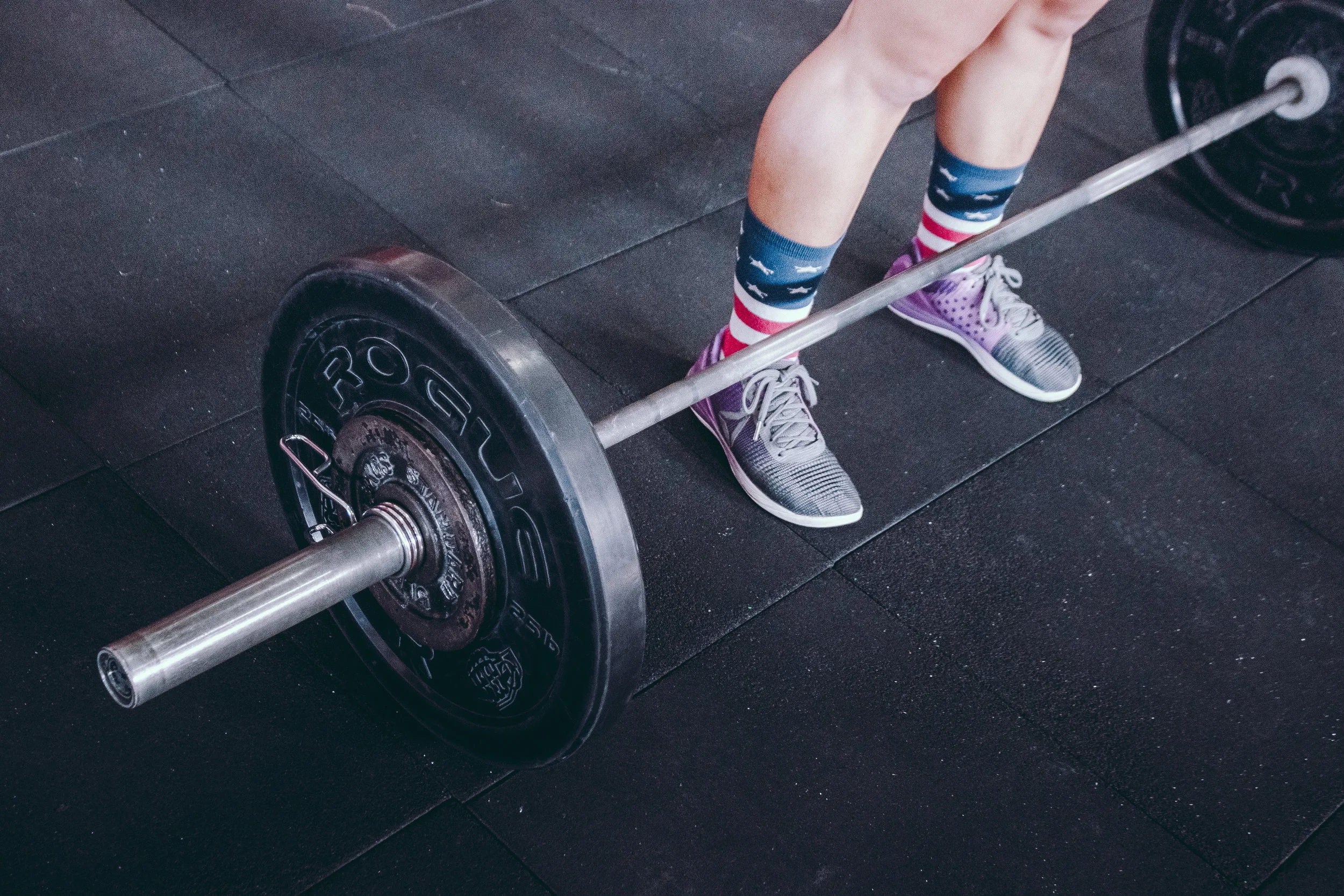
Adaptation & the Perils of Underpreparation
Your body is an adaptation machine - learn how to use it to your advantage!
Humans are built to adapt. It's how we got to the top of the food chain - we adapted to the demands of our environment better and quicker than anybody else, and now here we are (for better or worse). Obviously, the history of our growth as a species is a lot more complicated than that, but without our ability to adapt, we almost certainly would not have achieved the position we now enjoy in our global ecosystem. This general adaptability also filters down to and is supported by our ability to adapt at a biological level. We are, in fact, highly efficient adaptation machines. Pithy conventional wisdom sums this up with idioms like “You are what you eat”, but there is a fascinating physiological reality driving this capacity.
Here are some takeaway points about why biological adaptation matters and how to use it to your advantage:
Our bodies adapt to the specific loads placed on them. Wolff’s Law is a perfect example of this: Bones in healthy bodies grow stronger when we load them repeatedly (Frost). This is why the conservative treatment of osteoporosis should always include weight bearing exercise (Beck): We want to increase the density and strength of peoples’ bones by stressing them! In fact, most rehabilitation boils down to figuring out how to apply load in such a way that it creates positive, strengthening adaptations.
However, if you push past your body’s ability to adapt, you can increase your risk of injury (Gabbett). This could be from a large increase in activity in a short time or from repeatedly not giving your body enough time to adapt and recover from bouts of load. On the other hand, if you increase your activity level gradually, and give yourself adequate rest and recovery, you can decrease your risk of injury while getting stronger, more flexible, and more robust.
Life is unpredictable - don’t be underprepared! Most “overuse” injuries could more accurately be called “underpreparation” injuries. We often underestimate how stressful our daily lives can be on our bodies, and you never know when you might get thrown a curveball. The best solution to this, then, is to make sure that you are more prepared than you need to be. You can accomplish this by, again, gradually increasing your activity level while allowing adequate time to adapt. Challenging yourself through regular, vigorous exercise can help keep decrease the chances that you get sidelined by an unexpected stress.
If you would like strategies on how to maximize your body’s ability to adapt and recover, our Doctors of Physical Therapy are happy to help you come up with an individualized plan to keep you moving and keep you strong. You should also keep your eye on this space for future articles addressing these topics.
References:
Beck, B. R., Daly, R. M., Singh, M. A. F., & Taaffe, D. R. (2017). Exercise and Sports Science Australia (ESSA) position statement on exercise prescription for the prevention and management of osteoporosis. Journal of Science and Medicine in Sport, 20(5), 438–445. doi: 10.1016/j.jsams.2016.10.001
Frost, HM (1994). Wolff's Law and bone's structural adaptations to mechanical usage: an overview for clinicians. The Angle Orthodontist. 64 (3): 175–188. doi:10.1043/0003-3219(1994)064<0175:WLABSA>2.0.CO;2 PMID 8060014
Gabbett, T. J. (2016). The training—injury prevention paradox: should athletes be training smarter and harder? British Journal of Sports Medicine, 50(5), 273–280. doi: 10.1136/bjsports-2015-095788

Physical Therapy for the Active Pregnant and Postpartum Mom
Pregnancy and Postpartum does not mean that you have to be in pain! See what we have to say about staying active throughout the baby process. Schedule an appointment today with our experts who can help with all the aches and pains you may be having!
For those of us who have had the experience of pregnancy and postpartum life, you know that not only does your life turn upside down, but your body changes immensely. Most of the time, we chalk it up to the normal aches and pains of growing and birthing a human, but in reality, you don’t always have to just suck it up and deal with it. As someone who has dealt with managing these pains with and without a physical therapist, I know that physical therapy can help you immensely, both during and after your pregnancy.
I went into my first pregnancy feeling great. I was lifting, spinning, and doing general workouts until I was about 34 weeks pregnant, but I still suffered from sacroiliac pain and sciatic nerve pain that had me laying on the floor in tears and scooting around my office relying on my peers to help me with treating my patients. I had an unplanned C-section for this pregnancy and the recovery was brutal, especially living in a walkup apartment and on a subway stop with 4 flights of stairs instead of an elevator. After 6 months, I finally worked out the kinks in my body and was almost pain-free, but I definitely did not get back into fighting shape.
Fast forward two years and, when I became pregnant with my second daughter, I knew that I needed more help. Thankfully, I had phenomenal resources around me and I would be remiss if I did not give a shout out to Dr. Natalia Farnsworth, PT. Not only did she work through pain that would cause my leg to give out every time I turned right on my skis (obviously, not ideal), but after my pregnancy she got me going within a week after my second unplanned C-section.
To be clear, I was not getting into my pre-pregnancy jeans within that first week, but compared to round one, I was able to walk better, feel stronger, and negotiate those subway stairs more confidently in a fraction of the time. I went from being barely able to engage my core to do a pelvic tilt to swinging a 25 lb kettlebell by week 8 post-pregnancy. My 3 year old diastasis recti was gone, my hip pain was gone, and I was well on my way to becoming the strongest and fittest I have felt since I was competing in gymnastics at college.
Personal experience aside, as a clinician, I have also seen the benefit of physical therapy for my pregnant and postpartum patients. In the medical field, we know that exercise during pregnancy can help to decrease the risk of gestational diabetes, so our ability to help you manage your orthopedic pain during that time can help keep you active. For those who are trying to return to an active lifestyle post-pregnancy, it is helpful to have someone who can give you tips to get your strength and flexibility back.
You may be asking yourself, why doesn’t everyone get physical therapy for these aches and pains? Why doesn’t my doctor recommend PT? The simple answer is that we, as a profession, have come a long way from the days of just using hot packs, ultrasounds, and stim as the basis of our treatments. Now, we use combinations of exercises, manual techniques, and a lot of patient education as the foundation for our plans of care. As practitioners, we are working to educate not only our patients, but other medical providers of the benefits of physical therapy during pregnancy and post-pregnancy. As we continue to watch the physical therapy practice develop, we believe that this type of care is quickly becoming the norm.