

Cross-Training for Endurance Athletes
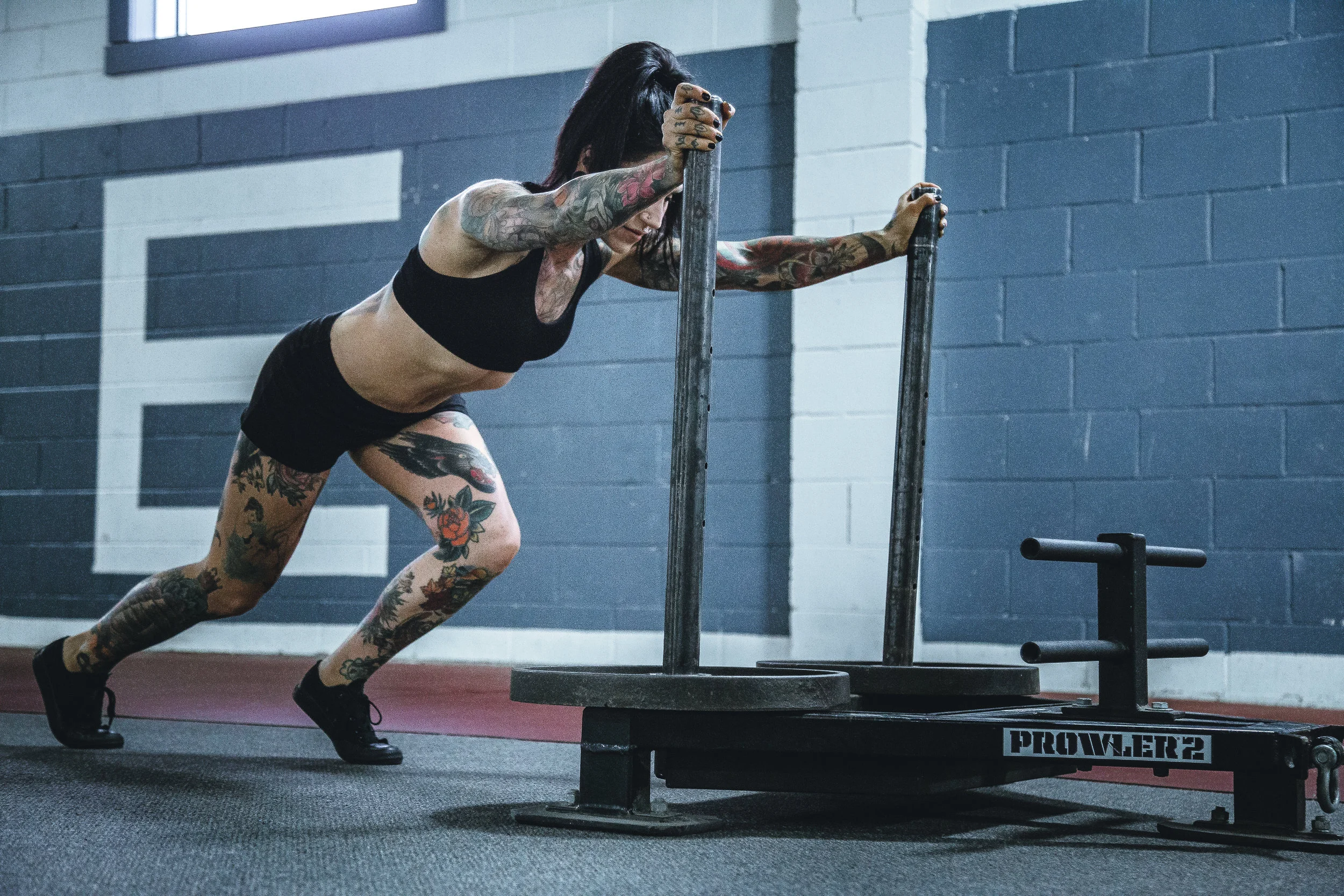
High-intensity strength training has been shown to enhance performance in endurance sports.
As a concept, cross-training has been around for quite a while. Simply put, cross-training in an athletic context involves spending some of your training time on something other than your chosen sport. The goal of cross-training is to make sure that an athlete is broadly prepared for physical exertion and performance, beyond the specific demands of their sport. Most sports and physical activities require a specific set of attributes to be successful (e.g. strength, speed, endurance), and each sport requires these in varying amounts. Generally speaking, the training an athlete does should try to support these requirements, but this does not mean that all of your training needs to look exactly like your sport. In fact, current evidence seems to suggest that endurance athletes specifically can actually improve their performance by incorporating high-intensity strength training into their running/cycling/swimming routine.
Here is a very brief summary of 2 more recent reviews that highlight the positive effects of strength training for endurance athletes:
A meta-analysis of 28 studies showed “moderate improvements in middle- and long-distance performance” in endurance athletes that also engaged in strength training. Changes were most notable in energy cost of locomotion and maximal force/power, meaning these athletes became more efficient and could perform better at high intensities. Maximal-force training (i.e. high-intensity) training seemed to be most effective for driving these changes.
Similarly, a systematic review in 2014 found that “strength training improved time-trial performance, economy, [velocity and work capacity at VO2max] and [maximal anaerobic running velocity] in competitive endurance athletes”. The authors emphasized that those with little to no strength training background did not need a complicated program to reap these benefits, which should be encouraging if the thought of pumping iron intimidates you at all.
So, the results of these reviews, which encompass 54 studies in total, suggest that strength training can improve endurance performance. This highlights the idea that for most endurance events, if an athlete intends to win the race, it is not enough to just have good endurance: Races are actually more a measure of speed endurance than pure endurance. Because of this, being able to exert more force/power/strength at high intensities helps endurance athletes maintain higher intensity for longer, resulting in improved race performance. Not only can strength training improve your endurance sport performance, there is some evidence to suggest that individuals who participate in resistance training more regularly are less likely to be injured while running, specifically. More generally, strength training has been found to be preventative for sports-related injuries as a whole.
If you’re looking for a caveat, here it is: The majority of the studies looking at the effects of strength training on endurance sports has focused on high-intensity strength training, meaning (relatively) heavy weights and significant efforts. That may sound intimidating, but if you’ve been an endurance athlete for any significant amount of time, you’ve already had to learn how to embrace the discomfort of your chosen sport, so applying the same attitude to strength training ought to feel familiar. Furthermore, if you are at all concerned about injuries related to strength training, resistance training has actually been found to have a low overall risk of injury - according to one systematic review, 74% of runners vs 20% of CrossFit athletes experience a moderate to serious injury in a given year. Given this fact and the aforementioned benefits, it is not unreasonable to argue that most, if not all, endurance athletes should be participating in a resistance training program.
If you are an endurance athlete looking to improve your performance and reduce your injury risk, but you’re not sure how to build a program or are uncomfortable with the idea of pushing heavy weights on your own, we can help! Our physical therapists are thoroughly experienced in coaching a wide variety of athletes in resistance training tailored to meet each individual’s needs.
Beattie, K., Kenny, I. C., Lyons, M., & Carson, B. P. (2014). The Effect of Strength Training on Performance in Endurance Athletes. Sports Medicine, 44(6), 845–865. doi: 10.1007/s40279-014-0157-y
Berryman, N., Mujika, I., Arvisais, D., Roubeix, M., Binet, C., & Bosquet, L. (2018). Strength Training for Middle- and Long-Distance Performance: A Meta-Analysis. International Journal of Sports Physiology and Performance, 13(1), 57–64. doi: 10.1123/ijspp.2017-0032
Grier, T. L., Canham-Chervak, M., Anderson, M. K., Bushman, T. T., & Jones, B. H. (2017). Effects of physical training and fitness on running injuries in physically active young men. Journal of Strength and Conditioning Research. https://doi.org/10.1519/JSC.0000000000001487
Lauersen, J. B., Bertelsen, D. M., & Andersen, L. B. (2013). The effectiveness of exercise interventions to prevent sports injuries: a systematic review and meta-analysis of randomised controlled trials. British Journal of Sports Medicine, 48(11), 871–877. doi: 10.1136/bjsports-2013-092538
Meyer, J., Morrison, J., & Zuniga, J. (2017). The Benefits and Risks of CrossFit: A Systematic Review. Workplace Health & Safety, 65(12), 612–618. doi: 10.1177/2165079916685568
Adaptation & the Perils of Underpreparation
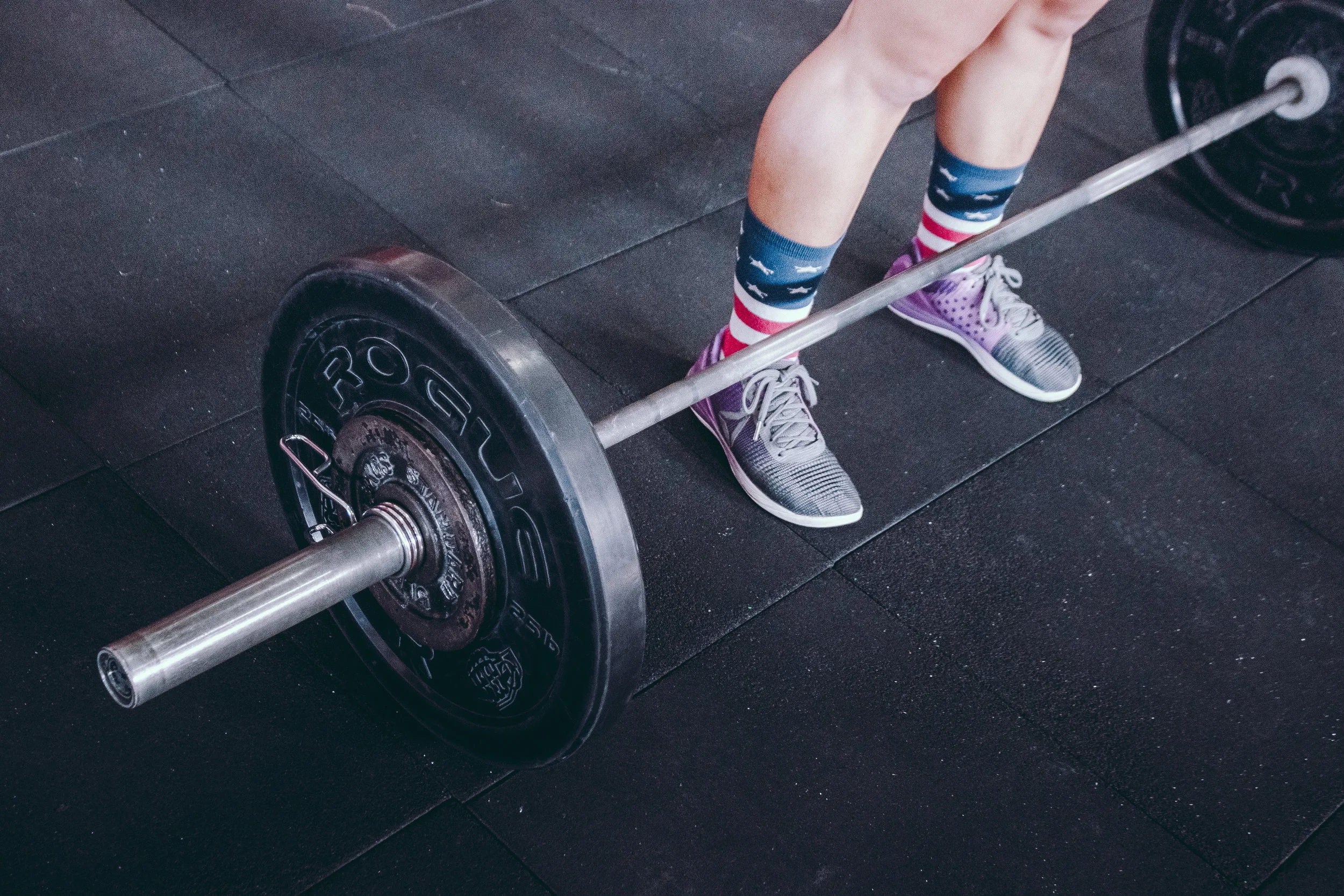
Your body is an adaptation machine - learn how to use it to your advantage!
Humans are built to adapt. It's how we got to the top of the food chain - we adapted to the demands of our environment better and quicker than anybody else, and now here we are (for better or worse). Obviously, the history of our growth as a species is a lot more complicated than that, but without our ability to adapt, we almost certainly would not have achieved the position we now enjoy in our global ecosystem. This general adaptability also filters down to and is supported by our ability to adapt at a biological level. We are, in fact, highly efficient adaptation machines. Pithy conventional wisdom sums this up with idioms like “You are what you eat”, but there is a fascinating physiological reality driving this capacity.
Here are some takeaway points about why biological adaptation matters and how to use it to your advantage:
Our bodies adapt to the specific loads placed on them. Wolff’s Law is a perfect example of this: Bones in healthy bodies grow stronger when we load them repeatedly (Frost). This is why the conservative treatment of osteoporosis should always include weight bearing exercise (Beck): We want to increase the density and strength of peoples’ bones by stressing them! In fact, most rehabilitation boils down to figuring out how to apply load in such a way that it creates positive, strengthening adaptations.
However, if you push past your body’s ability to adapt, you can increase your risk of injury (Gabbett). This could be from a large increase in activity in a short time or from repeatedly not giving your body enough time to adapt and recover from bouts of load. On the other hand, if you increase your activity level gradually, and give yourself adequate rest and recovery, you can decrease your risk of injury while getting stronger, more flexible, and more robust.
Life is unpredictable - don’t be underprepared! Most “overuse” injuries could more accurately be called “underpreparation” injuries. We often underestimate how stressful our daily lives can be on our bodies, and you never know when you might get thrown a curveball. The best solution to this, then, is to make sure that you are more prepared than you need to be. You can accomplish this by, again, gradually increasing your activity level while allowing adequate time to adapt. Challenging yourself through regular, vigorous exercise can help keep decrease the chances that you get sidelined by an unexpected stress.
If you would like strategies on how to maximize your body’s ability to adapt and recover, our Doctors of Physical Therapy are happy to help you come up with an individualized plan to keep you moving and keep you strong. You should also keep your eye on this space for future articles addressing these topics.
References:
Beck, B. R., Daly, R. M., Singh, M. A. F., & Taaffe, D. R. (2017). Exercise and Sports Science Australia (ESSA) position statement on exercise prescription for the prevention and management of osteoporosis. Journal of Science and Medicine in Sport, 20(5), 438–445. doi: 10.1016/j.jsams.2016.10.001
Frost, HM (1994). Wolff's Law and bone's structural adaptations to mechanical usage: an overview for clinicians. The Angle Orthodontist. 64 (3): 175–188. doi:10.1043/0003-3219(1994)064<0175:WLABSA>2.0.CO;2 PMID 8060014
Gabbett, T. J. (2016). The training—injury prevention paradox: should athletes be training smarter and harder? British Journal of Sports Medicine, 50(5), 273–280. doi: 10.1136/bjsports-2015-095788

Is R.I.C.E outdated for acute injuries?
Is R.I.C.E (rest, ice, compression, elevation) really the best thing you can do after an acute soft tissue injury?!
We all know the acronym R.I.C.E - Rest, Ice, Compression, Elevation - often used after an acute soft tissue (muscle, tendon, ligament) injury such as an ankle sprain or pulled muscle. We know there is merit to each of these things individually with injury recovery, but as of recently, strict rest after a soft-tissue injury is being challenged in the sports medicine world. After an acute injury, brief periods of rest and unloading of the injured tissue are recommended for a limited duration to avoid further injury to the tissues and allow localized healing mechanisms to occur at the cellular level. However, studies are now showing that progressive loading of the injured tissues may be superior than R.I.C.E alone. Controlled, progressive loading of the acutely injured soft tissues can help restore tissue strength and has been shown to improve healing times when compared to strict immobilization and rest. Hence, this is where the updated acronym P.O.L.I.C.E comes into play!
According to a recent editorial by the British Journal of Sports Medicine, P.O.L.I.C.E or Progressive Optimal Loading - Ice - Compression - Elevation, may be the best treatment guidelines to assist you in managing an acute soft tissue injury(1). Progressive optimal loading is a broad term referring to gentle, controlled forces applied to the tissues as tolerated. These forces can range from hands-on (manual) techniques applied to or near the injured tissue by your Physical Therapist to gentle range of motion or isometric muscle contractions. As the BJSM clinical commentary states, the word “optimal” will depend on multiple variables relating to the injury including nature, severity, and timing of the injury. These types of early interventions can promote recovery at the cellular levels of the injured tissues and allow them to remodel into stronger, healthier tissues. It is important to know what exercises are appropriate in the P.O.L.I.C.E model for the promotion of healing to the tissues, and that is where your Doctor of Physical Therapy at Colorado Sports Physical Therapy will guide you. Call today if you are healing from an injury and looking for ways to speed up your recovery to get back to the activities you love!
References:
Bleakley CM, Glasgow P, MacAuley DCPRICE needs updating, should we call the POLICE?British Journal of Sports Medicine 2012;46:220-221.

Ramping up to running season safely!
Calling all runners!
We know it’s still July, but fall races are already on the minds of many athletes, coaches, and parents. As such, we wanted to remind you that one of the best ways to prevent injuries during the fall is to be mindful of safely and effectively increasing the volume, frequency, and intensity of training after being off for the summer!
As a clinic, we see a lot of injuries that are caused by a sharp increase in running frequency or the distance of runs (or both!) as athletes are preparing for their upcoming races. While every athlete’s tolerance is different, many athletes ramping up their training often experience injuries like plantar fasciitis, hip and knee pain, and overuse injuries such as shin splints or metatarsal irritation.
With that in mind, you may be asking: what can you do to ward off some of these injuries and promote a successful return to running? The following are some general tips for ramping up your running in a safe manner:
Know that “one size fits all” does NOT apply when it comes to training programs! Each person is different and your body will respond differently than others to an increased workload. As the demands on your body are increased, your muscles, tendons, bones, and ligaments all have to adjust and adapt to the increased workload. When the load on these tissues exceeds their ability to adapt, this can increase the likelihood that you will suffer an injury. It is important that, when running, you increase mileage and training frequency gradually to allow your body the time it needs to adapt. Structuring your training in this way can help reduce the risk of reinjury and prevent recurring injuries.
Cross-training! Runners love to run; however, cross-training in different forms of aerobic activities like cycling, swimming, elliptical, and rowing are all fantastic ways you can work on your aerobic capacity while decreasing stress on our body’s tissues as they adapt to increased workload on your run days.
Strength training! There is a multitude of research available that points to increased resiliency of tissues when regularly exposed to strength training. One study, published by the British Journal of Sports Medicine in 2014, found that the incorporation of regular strength training for study participants reduced sports injuries to a frequency of less than one-third and decreased incidence of recurring overuse injuries to less than half.*
Clean up your running mechanics! With the repetitive nature of running, small tweaks in your running form can potentially make a tremendous difference! How can you figure out if your running mechanics could use some work? Schedule an appointment with one of our Doctors of Physical Therapy for an evaluation where we will evaluate ways we can maximize your running abilities!
References: *Lauersen JB, Bertelsen DM, Andersen LB
The effectiveness of exercise interventions to prevent sports injuries: a systematic review and meta-analysis of randomised controlled trials
British Journal of Sports Medicine 2014;48:871-877.

What is in an Home Exercise Program?
Learn the ins and outs of a successful Home Exercise Program and how Colorado Sports Physical Therapy can help with yours!
While many patients would love to have a physical therapist that could be with them 24/7 like Russell Wilson, for most, it is not a realistic aspiration. How do we achieve success instead? By implementing a cohesive home exercise program (HEP) for each patient. That being said, not all HEPs are created equal and we would like to provide some tips on what to look for with your own programs including what to expect from those here at Colorado Sports Physical Therapy.
1. Programs should be created to fit YOUR individual needs. Many injuries come from imbalances in strength and mobility so your plan should look to address those needs. For some of us, that means more strength exercises and for others, it may mean mobility, flexibility, and range of motion activities.
2. HEPs should have variations in intensity and should grow with you through your treatments. I like to tell my patients that by the time they are done with me, they should have 20-30 exercises that they can choose from ranging from easy to very challenging and that fall into different categories such as pushes, pulls, lateral movements, or rotational movements, to name a few. That way, you AND your body do not get bored, and you can vary your workouts depending on how you are feeling.
3. A good portion of your activities should be able to be performed in the comfort of your own home. Sure, getting on a lifting program can be helpful (and the PTs at CSPT can also help with this), but in order to increase your chances of sticking with the program, it’s best to have activities that require minimal equipment and space. This way, you have NO EXCUSES!
4. Your program should be something that you feel comfortable with. This means you have spent ample time learning the techniques and how to modify them. Remember our blog about pain? Exercises should not be triggering your pain, so make sure that you know the proper modifications in order to continue your progress on a day-to-day basis.
5. Lastly, remember that the definition of insanity is to do the same thing over and over and expect different results. That means, if things are not working, CHANGE IT! Your HEP is meant to supplement your physical therapy sessions to help you get better faster so if you don’t see a change or you feel worse, talk to your PT about it. Chances are they have a whole host of other exercises in their repertoire that may work better for you!
With all this being said, the MOST important thing about a good home exercise program is your willingness to perform. Keeping to your homework will only help you get better faster, which is everyone’s goal. Want to get your very own HEP in place today? Reach out and schedule your initial evaluation today with our experienced team!

Get Your Snow Prep Plan in Place!
Call us today at 720.216.5128 to schedule your Snow Prep Program Evaluation and start the season off right!
Whether you are Team Ikon, Team Epic, or loyal to the backcountry, everyone’s goal for the ski and snowboard season is the same- to shred as many days as possible! Some of us are lucky enough to make it through every day without aches and pains, but for the vast majority, hitting the slopes is a constant physical battle. At Colorado Sports Physical Therapy, we believe in starting your training early and having a plan in place that will be able to get you back on the slopes day after day.
Our Snow Prep Program looks to create a custom program that identifies your current strengths and weaknesses, while taking into account any past and current injuries. We will utilize a combination of functional movement screens, muscle testing, flexibility, and range of motion tests to determine potential problem areas during our initial evaluation and then set a program to incorporate rehabilitative activities with strength and conditioning to get you into peak condition for your first tracks of the season.
One of the most important components of the strength and conditioning portion of our Snow Prep Programs is the use of eccentric strength training. Basically, it is not how much you can lift, but how well you can control that weight in slow, controlled motions. Think about going off a jump. Your explosive, concentric strength will give you the ups, but your eccentric strength will give you that soft landing that will make everyone else jealous.
Another major component of our Snow Prep Program is core strength activities. Imagine going through a field of bumps and making quick, tight turns instead of feeling like you are driving over a boulder field. Imagine trying to carve on your edges so hard that your body is almost parallel to the ground. Both of these scenarios are possible by strengthening your core. Our Snow Prep Program will give you detailed exercises that you can utilize to build this strength
Our goal with those participating in our Snow Prep Program is to give you the best start AND finish to your season. Call us today at 720-216-5128 or Click here to set up your initial evaluation and get a customized plan designed just for you! For a limited time, Purchase your Initial Evaluation for $100 and receive your first follow up on us! Individual and package offers are also available.
It's Fantasy Football Time!
Yes, it is just about that time of year again and if you are like us, you are excited about the prospect of the return of FOOTBALL! With the return of the NFL, it brings the return of fantasy football. Every year, I have patients asking me about who to draft and stay away from when it comes to injuries, so I would like to share some tips.
1. Not everyone is Adrian Peterson. In fact I am pretty sure he is an alien. The vast majority of human beings cannot fully recovery from ACL surgery in only 6 months. I remember telling a friend of mine that, in no way, should you draft him. No one could have predicted that he would return to such a level so quickly and not re-tear his ACL. Also, side note, if you are having ACL surgery, please do not ask your PT to recover as quick as AD. Most return to sport protocols are more like 9-12 months at a minimum. Just look at the case of Jake Butt, the Michigan-turned-Broncos tight end who is almost at 2 years post op, but looking great!
2. Some injuries can truly tank fantasy points. I had a great conversation with Dr. Mark Drakos from Hospital for Special Surgery in New York, who was also a team doctor for the New York Giants, and he referred me to a very interesting 2010 study out of Duke University regarding NFL players and Achilles ruptures. Basically, it concluded that only two-thirds of players in the NFL with Achilles ruptures return to play and of those players who do, their performance was significantly affected not just in the first season back, but over the next three. How did they measure their performance? In games played and fantasy points of course! What about Michael Crabtree you ask? Well in the first years back after his 2013 injury, he was not effective at all. It took him another 3 years to be a top target for the Raiders.
3. Concussions are not to be messed with. Are you looking at players that have a history of concussions? If you are, don’t be surprised if they end up on the sideline again this year in concussion protocols. Even with the new tackle rules, I think you are still going to see quite a few this year because tackle form can’t be corrected overnight.
4. Beware of the MCL sprain. I like to refer to this one as the most painful minor injury you can have. Every time you see a player cut or pivot, you are seeing them put strain the Medial Collateral Ligament (MCL). While surgery is usually not needed in this recovery, it tends to be incredibly painful and lateral movements can take your breath away. If your job is to juke and cut in order to dodge tacklers, you can imagine how painful that could be.
Obviously, every athlete recovers differently and when it is your full time job to rehab, recover, and prevent injuries, you will get better faster, but hopefully you can use one or two of these tips to avoid getting stuck on the waiver wire with no one to pick up when your star goes down. Happy drafting everyone!

When is “No Pain No Gain” Actually True?
We all know that when you work hard for something, the results can be spectacular, however there can also be a downside to that. Who hasn’t heard the phrase “no pain, no gain”? As a young athlete, I know I must have heard it almost every day in the gym, and I continue to hear it to this day. While there is some truth to the statement, you must remember that all pain is not created equal. In fact, pain is something that has evolved with humans as a protective mechanism with our body basically telling us, “if it hurts, don’t do it”. Here are some other helpful thoughts when dealing with pain.
1. How much pain are you in?
This is one of the first questions your physical therapist may ask you. It seems like common sense that the more pain you are in, the worse, but there is something very important to keep in mind. Pain can be a muscle inhibitor. This means that when you are actively causing pain, your muscles most likely are going into protection mode and will not work optimally. Think about those lovely times that your sibling or friend gave you a dead leg and you immediately fell to the floor. That gives you a pretty good idea of muscle inhibition through pain.
2. Where is your pain?
This is a big one. Pain in your joint is very different than muscle pain and really, there should never be a time that it should be happening. Do your knees hurt when you squat? Stop. Does your shoulder hurt when you throw? Stop! Most of the time, this is correctable with strength, flexibility, and education, but they should never happen! And furthermore, you should be able to do these activities relatively pain free.
3. What kind of pain are you having?
Here is another question that most of you should have heard and it helps us make clinical decisions when it comes to your diagnosis and plan of care. Sharp, stabbing, shooting pain are all red flags for us. They can indicate acute, active injury with possible nerve involvement. If you feel this kind of pain- stop what you are doing and seek help! Pain that is more along the dull, achy side is usually more indicative of chronic conditions, but is still important to address. Don’t wait to address it, because it can be harder to get rid of the longer you wait.
4. How long does your pain last?
Do you go for a run and your pain lasts for a week? That usually is not a great sign. Delayed onset muscle soreness, or DOMS, is the technical terminology for the soreness you have 24-72 hours following a hard workout or that first day back on the slopes. This is a normal muscle reaction that will subside with rest and gentle movements (remember that pain can actually make your muscles feel weak). Anything longer than that could indicate actual injury. A good general rule is pain that lasts for anything more than a few days should probably be checked out.
To be fair, the medicine of pain science is far more complicated than what is presented above. In fact, there are physicians that focus only on pain management. However, you can learn to be better aware of what your pain means and how to manage it when you can learn to describe it. No pain no gain should not be a definitive lifestyle, but an idea of how you can work hard to gain specific results.