

Everybody has one, nobody wants to talk about it: What is my pelvic floor and how do I know if it’s not working right?
Pelvic health is all the rage right now. From medical journals to Self Magazine to TikTok, the pelvic floor is a hot topic. There’s plenty of evidence that shows that a healthy pelvic floor can be key in overall physical health and quality of life1. But what exactly IS the pelvic floor, and why is it so important?
In short, your pelvic floor refers to the muscles that sling between your pubic bone in the front of your pelvis and your tailbone. Of course, these muscles help you do the things you’d expect, like supporting bowel and bladder control and helping with sexual function. But these muscles do much more than that - they also play an important role in keeping your core stable. They’re the muscles that help you control your posture and keep you from overexerting your back muscles2 during daily activities like moving from sitting to standing, to maintaining balance and strength during more demanding activities like lifting and running. We use these muscles all day, every day, for much more than just controlling our bladders.
So how do we know if there’s something wrong with these muscles? When you mention “pelvic floor”, it brings to mind the image of the new mom who’s struggling to keep bladder control during sneezing or coughing. But pelvic floor problems are much more common than you think – and the symptoms can vary. Symptoms of pelvic floor dysfunction include:
· Urinary leaking
· Uncontrollable gas or difficulty with bowel control
· Feelings of heaviness or increased pressure in the pelvis, like your insides are slipping down
· Constipation – do you ever feel like you need to strain or push too much with BMs? Have painful BMs?
· Difficulty fully emptying your bladder – do you ever have to go to the bathroom 5 minutes after you’ve just gone?
· Pain or burning with urinating
· Sexual dysfunction, including pain with sex or difficulty with erections
· Low back, hip, groin, or tailbone pain that hasn’t been helped with other treatments
· Having to get up to urinate 2+ times / night on a regular basis
If you’re experiencing any of these symptoms, the first thing to realize is that YOU ARE NOT ALONE. More than 1 in 4 women will at one time or another experience one or more of these issues3. The likelihood of having trouble controlling your bladder or experiencing pelvic pain increases with age and with giving birth. Men are also likely to experience pelvic floor problems, but because of the lack of knowledge, the stigma, and the discomfort associated with experiencing pelvic floor issues, pelvic floor problems in men are underreported4. You may find that it’s embarrassing or difficult to discuss issues like pain with sex or urinary leakage with your doctor, but these problems are both very common and very treatable.
The next thing to realize is that, while popular, doing kegels may not be the best answer to some of the problems listed above – in some instances, it could actually worsen your symptoms! What’s more, research has shown that as many as half of us are doing kegels incorrectly5.
In many cases, it’s best to see an expert to get your pelvic floor evaluated. Pelvic floor physical therapists have specialized training in pelvic floor issues and can teach you exercises, healthy habits, and even breathing techniques that can often get you feeling better quickly. So, if these symptoms are sounding all too familiar to you, come see us so that we can help you gain the knowledge, coordination, and confidence you need in your pelvic floor to move about your world!
Author: Dr. Katheryn Weed, PT | November 16th 2021
1. Bedretdinova A, Fritel X, Zins M and Ringa V. 2016. The effect of urinary incontinence on health-related quality of life: is it similar in men and women? Urology. vol. 91, pp. 83-89.
2. Pelvic Core First. 2016. The Pelvic Floor and Core [online] [viewed 29 March 2018]. Available from: https://www.pelvicfloorfirst.org.au/pages/the-pelvic-floor-and-core.html
3. Wu, Jennifer M et al. “Prevalence and trends of symptomatic pelvic floor disorders in U.S. women.” Obstetrics and gynecology vol. 123,1 (2014): 141-148. doi:10.1097/AOG.0000000000000057
4. Hirschhorn AD, Kolt GS and Brooks AJ. 2013. Barriers and enablers to the provision and receipt of preoperative pelvic floor muscle training for men having radical prostatectomy: a qualitative study. BMC Health Services Research. vol. 13, no. 1, pp. 305
5. Mason L, Glenn S, Walton I and Hughes C. 2001. The instruction in pelvic floor exercises provided to women during pregnancy or following delivery. Midwifery. 2001, vol. 17, no. 1, pp. 55-64.
Cross-Training for Endurance Athletes
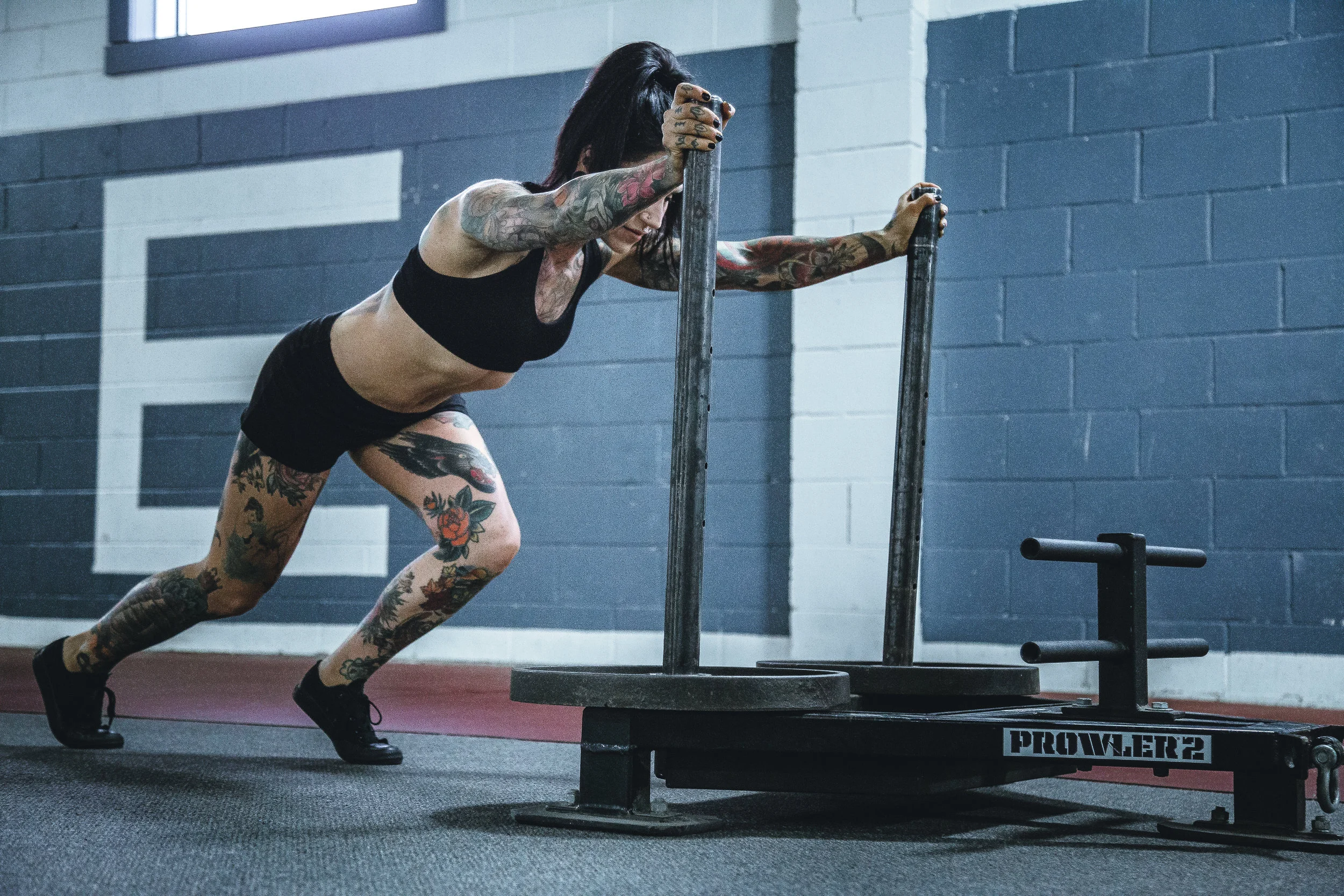
High-intensity strength training has been shown to enhance performance in endurance sports.
As a concept, cross-training has been around for quite a while. Simply put, cross-training in an athletic context involves spending some of your training time on something other than your chosen sport. The goal of cross-training is to make sure that an athlete is broadly prepared for physical exertion and performance, beyond the specific demands of their sport. Most sports and physical activities require a specific set of attributes to be successful (e.g. strength, speed, endurance), and each sport requires these in varying amounts. Generally speaking, the training an athlete does should try to support these requirements, but this does not mean that all of your training needs to look exactly like your sport. In fact, current evidence seems to suggest that endurance athletes specifically can actually improve their performance by incorporating high-intensity strength training into their running/cycling/swimming routine.
Here is a very brief summary of 2 more recent reviews that highlight the positive effects of strength training for endurance athletes:
A meta-analysis of 28 studies showed “moderate improvements in middle- and long-distance performance” in endurance athletes that also engaged in strength training. Changes were most notable in energy cost of locomotion and maximal force/power, meaning these athletes became more efficient and could perform better at high intensities. Maximal-force training (i.e. high-intensity) training seemed to be most effective for driving these changes.
Similarly, a systematic review in 2014 found that “strength training improved time-trial performance, economy, [velocity and work capacity at VO2max] and [maximal anaerobic running velocity] in competitive endurance athletes”. The authors emphasized that those with little to no strength training background did not need a complicated program to reap these benefits, which should be encouraging if the thought of pumping iron intimidates you at all.
So, the results of these reviews, which encompass 54 studies in total, suggest that strength training can improve endurance performance. This highlights the idea that for most endurance events, if an athlete intends to win the race, it is not enough to just have good endurance: Races are actually more a measure of speed endurance than pure endurance. Because of this, being able to exert more force/power/strength at high intensities helps endurance athletes maintain higher intensity for longer, resulting in improved race performance. Not only can strength training improve your endurance sport performance, there is some evidence to suggest that individuals who participate in resistance training more regularly are less likely to be injured while running, specifically. More generally, strength training has been found to be preventative for sports-related injuries as a whole.
If you’re looking for a caveat, here it is: The majority of the studies looking at the effects of strength training on endurance sports has focused on high-intensity strength training, meaning (relatively) heavy weights and significant efforts. That may sound intimidating, but if you’ve been an endurance athlete for any significant amount of time, you’ve already had to learn how to embrace the discomfort of your chosen sport, so applying the same attitude to strength training ought to feel familiar. Furthermore, if you are at all concerned about injuries related to strength training, resistance training has actually been found to have a low overall risk of injury - according to one systematic review, 74% of runners vs 20% of CrossFit athletes experience a moderate to serious injury in a given year. Given this fact and the aforementioned benefits, it is not unreasonable to argue that most, if not all, endurance athletes should be participating in a resistance training program.
If you are an endurance athlete looking to improve your performance and reduce your injury risk, but you’re not sure how to build a program or are uncomfortable with the idea of pushing heavy weights on your own, we can help! Our physical therapists are thoroughly experienced in coaching a wide variety of athletes in resistance training tailored to meet each individual’s needs.
Beattie, K., Kenny, I. C., Lyons, M., & Carson, B. P. (2014). The Effect of Strength Training on Performance in Endurance Athletes. Sports Medicine, 44(6), 845–865. doi: 10.1007/s40279-014-0157-y
Berryman, N., Mujika, I., Arvisais, D., Roubeix, M., Binet, C., & Bosquet, L. (2018). Strength Training for Middle- and Long-Distance Performance: A Meta-Analysis. International Journal of Sports Physiology and Performance, 13(1), 57–64. doi: 10.1123/ijspp.2017-0032
Grier, T. L., Canham-Chervak, M., Anderson, M. K., Bushman, T. T., & Jones, B. H. (2017). Effects of physical training and fitness on running injuries in physically active young men. Journal of Strength and Conditioning Research. https://doi.org/10.1519/JSC.0000000000001487
Lauersen, J. B., Bertelsen, D. M., & Andersen, L. B. (2013). The effectiveness of exercise interventions to prevent sports injuries: a systematic review and meta-analysis of randomised controlled trials. British Journal of Sports Medicine, 48(11), 871–877. doi: 10.1136/bjsports-2013-092538
Meyer, J., Morrison, J., & Zuniga, J. (2017). The Benefits and Risks of CrossFit: A Systematic Review. Workplace Health & Safety, 65(12), 612–618. doi: 10.1177/2165079916685568

Exercising During Pregnancy
Should you be exercising while pregnant?
If you are pregnant and wondering if continuing to exercise is safe, you are not alone. If you Google “exercising while pregnant”, you are likely to get a multitude of hits with recommendations from various blogs, forums, and healthcare provider sites ranging from “Don’t do it” to “Of course you can still do pull-ups!” The Internet can be an excellent resource as you progress through your pregnancy, but it is important to be able to discern between anecdotal evidence, outright mistruths, and professional, evidence-based recommendations.
As you are likely receiving a list of “Do Nots” while you are progressing through pregnancy, maintaining a regular exercise program is very much on the “Do it!” list*. According to the American College of Obstetricians and Gynecologists, “Physical activity in pregnancy has minimal risks and has been shown to benefit most women, although some modification to exercise routines may be necessary because of normal anatomic and physiologic changes and fetal requirements” (ACOG, 2015)1. The benefits of physical activity during pregnancy are vast. While pregnant, some of the benefits of physical activity can include reducing maternal weight gain, reducing the risk of gestational diabetes, reducing gestational hypertension, reducing the risk for postpartum depression, and potentially reducing the need for Cesarean section and instrumental deliveries2,3. Need we say more?
Given all the benefits, it is important to know how to safely modify your exercise routine as you progress through your pregnancy. Whether you are a CrossFitter, Yogi, runner or do a little bit of everything, exercise modifications will be necessary to ensure safety for you and your growing baby. If you aren’t sure what exercises need modifications, or how to make those modifications, that’s where the Doctors of Physical Therapy at CSPT can help. Schedule an appointment today to learn how you can stay active and decrease pain throughout both your pregnancy and postpartum periods!
*With all evidence provided in this article supporting exercise during pregnancy, it is important to note that there are certain circumstances that exercise may be contraindicated due to safety concerns for mother and growing baby. Contact your obstetric provider to clarify your risk should you have any concerns.
References:
American College of Obstetricians and Gynecologists, Committee Opinion, 2015. https://www.acog.org/-/media/Committee-Opinions/Committee-on-Obstetric-Practice/co650.pdf?dmc=1&ts=20190725T1812495503
Mottola MF, Davenport MH, Ruchat S-M, et all. Br J Sports Med 2018;52:1339-1346.
Ruben Barakat, Mireia Pelaez, Carmina Lopez, Rocío Montejo & Javier Coteron (2012) Exercise during pregnancy reduces the rate of cesarean and instrumental deliveries: results of a randomized controlled trial, The Journal of Maternal-Fetal & Neonatal Medicine, 25:11, 2372-2376, DOI: 10.3109/14767058.2012.696165

2 Common Myths About Your Knees
Debunking some common myths about osteoarthritis, squats, and knee pain!
There is a lot of misinformation out there about knee health. Today, we are going to address 2 of the most common myths: (1) that osteoarthritis (“OA”) in the knee is due to “wear and tear” and is always painful, and (2) the idea that squats and similar exercises are “bad for your knees”.
MYTH 1: OSTEOARTHRITIS IS DUE TO “WEAR AND TEAR” ON YOUR JOINTS
You may be asking, what is OA and what causes it? Fundamentally, OA is a broad term that refers to inflammation in and around the joints between our bones, including our knees. OA is extremely common in humans, increasing with incidence as we age. In fact, it is totally normal to have an increase in joint OA as we age without any symptoms whatsoever (Culvenor). On top of this, OA has not been shown to be related to increased exercise or “wear and tear” on your body. OA is actually less common in runners and other people who put a lot of mileage on their knees (Chakravarty, Lo). In fact, a number of studies show that people who load their knees regularly (including people who lift heavy weights) actually have thicker knee cartilage and healthier knees overall (Hartmann 2013). With that in mind, many healthcare providers have started (rightfully) referring to OA and similar issues as being “wrinkles on the inside” and not really something to worry about.
MYTH 2: SQUATS ARE BAD FOR YOUR KNEES
So are squats bad for you? The second article linked above that suggests deep squats are “bad for your knees” may reflect an old opinion, but the idea is still out there: this Bodybuilding.com article asserts that, “among bodybuilders who have knee problems...squatting is the only culprit”. Some of their recommendations have merit, but this fear-mongering about squatting is heavily misguided. As a matter of fact, research indicates that squatting through a full range of motion is protective against breakdown in the knee (ibid). The theme in the current research is that loading your body and challenging it will actually make you stronger, as long as you respect your body’s need to recover from these loads.
Although deep squats are not harmful, they also may not be necessary. For example, a soccer player probably does not need a whole lot of full-range strength; most of their action occurs in a much taller posture, and so they can probably get away with shallower squats. Different squat depths load different muscle groups differently (Caterisano), so if you want to work specific muscles, you might want to pick a particular depth. There is some evidence that shallower squats seem to translate better to things like sprinting and jumping (Rhea), but this is definitely not a hard and fast rule (Hartmann 2012).
At the end of the day, our bodies are strong, robust, and able to adapt to a huge variety of loads and challenges. As long as we are able to give our bodies time to recover and adapt, we can handle almost anything over the long term. Even if you have some OA in your knees, or you have a family history of OA, you do not necessarily have to limit your activities! If you do have pain with an activity that you want to keep doing, consult a healthcare practitioner who can help you modify your activity and teach you how to train better. Knee pain is not a death sentence, OA is not a death sentence, and your body is stronger than you might think.
So get out there and get exercising! And if you’re a fitness or healthcare professional, stop scaring people with bad science! #unnecessaryfearmongering
References
Caterisano, A., Moss, R. E., Pellinger, T. K., Woodruff, K., Lewis, V. C., Booth, W., & Khadra, T. (2002). The Effect of Back Squat Depth on the EMG Activity of 4 Superficial Hip and Thigh Muscles. Journal of Strength and Conditioning Research, 16(3), 428–432. doi: 10.1519/00124278-200208000-00014
Chakravarty, E. F., Hubert, H. B., Lingala, V. B., Zatarain, E., & Fries, J. F. (2008). Long Distance Running and Knee Osteoarthritis. American Journal of Preventive Medicine, 35(2), 133–138. doi: 10.1016/j.amepre.2008.03.032
Culvenor, A. G., Øiestad, B. E., Hart, H. F., Stefanik, J. J., Guermazi, A., & Crossley, K. M. (2018). Prevalence of knee osteoarthritis features on magnetic resonance imaging in asymptomatic uninjured adults: a systematic review and meta-analysis. British Journal of Sports Medicine. doi: 10.1136/bjsports-2018-099257
Hartmann, H., Wirth, K., Klusemann, M., Dalic, J., Matuschek, C., & Schmidtbleicher, D. (2012). Influence of Squatting Depth on Jumping Performance. Journal of Strength and Conditioning Research, 26(12), 3243–3261. doi: 10.1519/jsc.0b013e31824ede62
Hartmann, H., Wirth, K., & Klusemann, M. (2013). Analysis of the Load on the Knee Joint and Vertebral Column with Changes in Squatting Depth and Weight Load. Sports Medicine, 43(10), 993–1008. doi: 10.1007/s40279-013-0073-6
Lo, G., Driban, J., Kriska, A., Storti, K., Mcalindon, T., Souza, R., … Suarez-Almazor, M. (2015). Habitual running does not increase risk for symptom or structure progression in those with pre-existing knee osteoarthritis: data from the osteoarthritis initiative. Osteoarthritis and Cartilage, 23. doi: 10.1016/j.joca.2015.02.070
Rhea, M. R., Kenn, J. G., Peterson, M. D., Massey, D., Simão, R., Marin, P. J., … Krein, D. (2016). Joint-Angle Specific Strength Adaptations Influence Improvements in Power in Highly Trained Athletes. Human Movement, 17(1). doi: 10.1515/humo-2016-0006
The FAQ's of Functional Dry Needling
Everything you ever wanted to know about Functional Dry Needling!
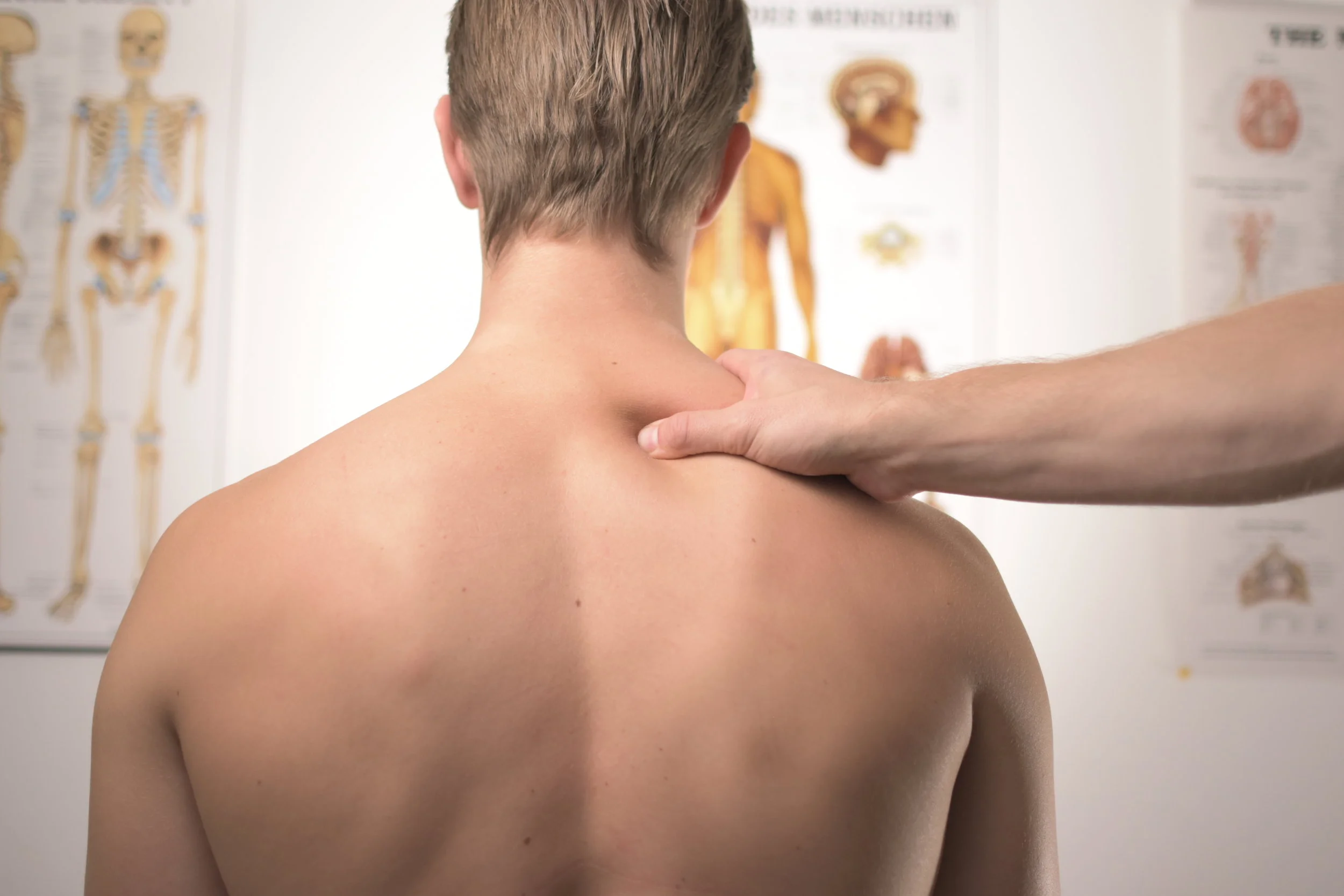
In the last few years the use of dry needling in physical therapy has grown exponentially, and for a good reason. Research has shown that dry needling is a highly effective modality for addressing dysfunctions in skeletal muscle, fascia, and connective tissues. Despite its recent increase in popularity, dry needling is a technique with origins dating back to the early 1900s. Since its inception, numerous advances in the methodology for dry needling have made it an excellent tool for modern clinicians in physical therapy. If you are considering dry needling, here are some frequently asked questions and answers to consider:
What exactly is dry needling?
Dry needling is a technique that involves the use of a thin, rounded monofilament inserted into soft tissue with the goal of decreasing muscle tension, pain, and helping to reset muscle activation patterns. Dry needling results in a deep muscular release that can allow for improvements in pain, muscle tension, and movement patterns. Functional dry needling (FDN) refers to a specific school of thought developed by Kinetacore, a dry needling continuing education company. FDN incorporates a multi-faceted model that largely emphasizes the neuromuscular system and changes that occur within that system when there is dysfunction or compensatory patterns that arise within the human body.
What does functional dry needling actually do?
The insertion of a needle into dysfunctional tissue can cause a host of physiologic improvements within the muscle. FDN has been shown to increase blood flow to targeted tissues,1 decrease muscle banding by restoring a normal length-tension relationship between muscle fibers (thus, improving the contractile abilities of the tissues), and decrease pain sensitizing agents.2
How is dry needling different than acupuncture?
Acupuncture is a form of dry needling. Functional dry needling (FDN) is different from acupuncture in that it is rooted in Western medicine whereas acupuncture is based on Traditional Chinese Medicine. Functional dry needling and acupuncture use the same monofilament needles, with different intentions. In a very simple sense, FDN looks to the neuromuscular system as a root of dysfunction and acupuncture looks to restore the body’s life energy, or “qi” through needle insertion on invisible energy channels called “meridians”, with each meridian being associated with a different organ system.
What functional dry needling is NOT
Functional dry needling is not a panacea! FDN is most effective when combined with movement-based therapy. FDN is a tool and should be paired with a comprehensive physical therapy treatment program for maximal benefits.
What can I expect with functional dry needling?
You may or may not feel the insertion of the needle. Many people may report a deep muscle ache with the treatment which is an indication to the clinician that the treatment is eliciting the desired response. After treatment, increased range of motion, decreased muscle tension, and improved muscle activation are typically the desired outcomes. Soreness in the targeted muscle is normal up to 2-3 days after treatment as well.
Are you still curious whether functional dry needling may be something that can help you? Call one of the Doctors of Physical Therapy at Colorado Sports Physical Therapy to schedule an initial evaluation where we can discuss treatment options that will best suite you!
References:
Skorupska E, Rychlik M, Pawelec W, Samborski W (2015) Dry Needling Related Short-Term Vasodilation in Chronic Sciatica under Infrared Thermovision.Evid Based Complement Alternat Med 2015: 214374.
Hsieh YL, Chou LW, Joe YS, et al. Spinal cord mechanism involving the remote effects of dry needling on the irritability of myofascial trigger spots in rabbit skeletal muscle. Arch Phys Med Rehabil. 2011;92(7):1098–105.

Ramping up to running season safely!
Calling all runners!
We know it’s still July, but fall races are already on the minds of many athletes, coaches, and parents. As such, we wanted to remind you that one of the best ways to prevent injuries during the fall is to be mindful of safely and effectively increasing the volume, frequency, and intensity of training after being off for the summer!
As a clinic, we see a lot of injuries that are caused by a sharp increase in running frequency or the distance of runs (or both!) as athletes are preparing for their upcoming races. While every athlete’s tolerance is different, many athletes ramping up their training often experience injuries like plantar fasciitis, hip and knee pain, and overuse injuries such as shin splints or metatarsal irritation.
With that in mind, you may be asking: what can you do to ward off some of these injuries and promote a successful return to running? The following are some general tips for ramping up your running in a safe manner:
Know that “one size fits all” does NOT apply when it comes to training programs! Each person is different and your body will respond differently than others to an increased workload. As the demands on your body are increased, your muscles, tendons, bones, and ligaments all have to adjust and adapt to the increased workload. When the load on these tissues exceeds their ability to adapt, this can increase the likelihood that you will suffer an injury. It is important that, when running, you increase mileage and training frequency gradually to allow your body the time it needs to adapt. Structuring your training in this way can help reduce the risk of reinjury and prevent recurring injuries.
Cross-training! Runners love to run; however, cross-training in different forms of aerobic activities like cycling, swimming, elliptical, and rowing are all fantastic ways you can work on your aerobic capacity while decreasing stress on our body’s tissues as they adapt to increased workload on your run days.
Strength training! There is a multitude of research available that points to increased resiliency of tissues when regularly exposed to strength training. One study, published by the British Journal of Sports Medicine in 2014, found that the incorporation of regular strength training for study participants reduced sports injuries to a frequency of less than one-third and decreased incidence of recurring overuse injuries to less than half.*
Clean up your running mechanics! With the repetitive nature of running, small tweaks in your running form can potentially make a tremendous difference! How can you figure out if your running mechanics could use some work? Schedule an appointment with one of our Doctors of Physical Therapy for an evaluation where we will evaluate ways we can maximize your running abilities!
References: *Lauersen JB, Bertelsen DM, Andersen LB
The effectiveness of exercise interventions to prevent sports injuries: a systematic review and meta-analysis of randomised controlled trials
British Journal of Sports Medicine 2014;48:871-877.

What is in an Home Exercise Program?
Learn the ins and outs of a successful Home Exercise Program and how Colorado Sports Physical Therapy can help with yours!
While many patients would love to have a physical therapist that could be with them 24/7 like Russell Wilson, for most, it is not a realistic aspiration. How do we achieve success instead? By implementing a cohesive home exercise program (HEP) for each patient. That being said, not all HEPs are created equal and we would like to provide some tips on what to look for with your own programs including what to expect from those here at Colorado Sports Physical Therapy.
1. Programs should be created to fit YOUR individual needs. Many injuries come from imbalances in strength and mobility so your plan should look to address those needs. For some of us, that means more strength exercises and for others, it may mean mobility, flexibility, and range of motion activities.
2. HEPs should have variations in intensity and should grow with you through your treatments. I like to tell my patients that by the time they are done with me, they should have 20-30 exercises that they can choose from ranging from easy to very challenging and that fall into different categories such as pushes, pulls, lateral movements, or rotational movements, to name a few. That way, you AND your body do not get bored, and you can vary your workouts depending on how you are feeling.
3. A good portion of your activities should be able to be performed in the comfort of your own home. Sure, getting on a lifting program can be helpful (and the PTs at CSPT can also help with this), but in order to increase your chances of sticking with the program, it’s best to have activities that require minimal equipment and space. This way, you have NO EXCUSES!
4. Your program should be something that you feel comfortable with. This means you have spent ample time learning the techniques and how to modify them. Remember our blog about pain? Exercises should not be triggering your pain, so make sure that you know the proper modifications in order to continue your progress on a day-to-day basis.
5. Lastly, remember that the definition of insanity is to do the same thing over and over and expect different results. That means, if things are not working, CHANGE IT! Your HEP is meant to supplement your physical therapy sessions to help you get better faster so if you don’t see a change or you feel worse, talk to your PT about it. Chances are they have a whole host of other exercises in their repertoire that may work better for you!
With all this being said, the MOST important thing about a good home exercise program is your willingness to perform. Keeping to your homework will only help you get better faster, which is everyone’s goal. Want to get your very own HEP in place today? Reach out and schedule your initial evaluation today with our experienced team!

Get Your Snow Prep Plan in Place!
Call us today at 720.216.5128 to schedule your Snow Prep Program Evaluation and start the season off right!
Whether you are Team Ikon, Team Epic, or loyal to the backcountry, everyone’s goal for the ski and snowboard season is the same- to shred as many days as possible! Some of us are lucky enough to make it through every day without aches and pains, but for the vast majority, hitting the slopes is a constant physical battle. At Colorado Sports Physical Therapy, we believe in starting your training early and having a plan in place that will be able to get you back on the slopes day after day.
Our Snow Prep Program looks to create a custom program that identifies your current strengths and weaknesses, while taking into account any past and current injuries. We will utilize a combination of functional movement screens, muscle testing, flexibility, and range of motion tests to determine potential problem areas during our initial evaluation and then set a program to incorporate rehabilitative activities with strength and conditioning to get you into peak condition for your first tracks of the season.
One of the most important components of the strength and conditioning portion of our Snow Prep Programs is the use of eccentric strength training. Basically, it is not how much you can lift, but how well you can control that weight in slow, controlled motions. Think about going off a jump. Your explosive, concentric strength will give you the ups, but your eccentric strength will give you that soft landing that will make everyone else jealous.
Another major component of our Snow Prep Program is core strength activities. Imagine going through a field of bumps and making quick, tight turns instead of feeling like you are driving over a boulder field. Imagine trying to carve on your edges so hard that your body is almost parallel to the ground. Both of these scenarios are possible by strengthening your core. Our Snow Prep Program will give you detailed exercises that you can utilize to build this strength
Our goal with those participating in our Snow Prep Program is to give you the best start AND finish to your season. Call us today at 720-216-5128 or Click here to set up your initial evaluation and get a customized plan designed just for you! For a limited time, Purchase your Initial Evaluation for $100 and receive your first follow up on us! Individual and package offers are also available.

Physical Therapy for the Active Pregnant and Postpartum Mom
Pregnancy and Postpartum does not mean that you have to be in pain! See what we have to say about staying active throughout the baby process. Schedule an appointment today with our experts who can help with all the aches and pains you may be having!
For those of us who have had the experience of pregnancy and postpartum life, you know that not only does your life turn upside down, but your body changes immensely. Most of the time, we chalk it up to the normal aches and pains of growing and birthing a human, but in reality, you don’t always have to just suck it up and deal with it. As someone who has dealt with managing these pains with and without a physical therapist, I know that physical therapy can help you immensely, both during and after your pregnancy.
I went into my first pregnancy feeling great. I was lifting, spinning, and doing general workouts until I was about 34 weeks pregnant, but I still suffered from sacroiliac pain and sciatic nerve pain that had me laying on the floor in tears and scooting around my office relying on my peers to help me with treating my patients. I had an unplanned C-section for this pregnancy and the recovery was brutal, especially living in a walkup apartment and on a subway stop with 4 flights of stairs instead of an elevator. After 6 months, I finally worked out the kinks in my body and was almost pain-free, but I definitely did not get back into fighting shape.
Fast forward two years and, when I became pregnant with my second daughter, I knew that I needed more help. Thankfully, I had phenomenal resources around me and I would be remiss if I did not give a shout out to Dr. Natalia Farnsworth, PT. Not only did she work through pain that would cause my leg to give out every time I turned right on my skis (obviously, not ideal), but after my pregnancy she got me going within a week after my second unplanned C-section.
To be clear, I was not getting into my pre-pregnancy jeans within that first week, but compared to round one, I was able to walk better, feel stronger, and negotiate those subway stairs more confidently in a fraction of the time. I went from being barely able to engage my core to do a pelvic tilt to swinging a 25 lb kettlebell by week 8 post-pregnancy. My 3 year old diastasis recti was gone, my hip pain was gone, and I was well on my way to becoming the strongest and fittest I have felt since I was competing in gymnastics at college.
Personal experience aside, as a clinician, I have also seen the benefit of physical therapy for my pregnant and postpartum patients. In the medical field, we know that exercise during pregnancy can help to decrease the risk of gestational diabetes, so our ability to help you manage your orthopedic pain during that time can help keep you active. For those who are trying to return to an active lifestyle post-pregnancy, it is helpful to have someone who can give you tips to get your strength and flexibility back.
You may be asking yourself, why doesn’t everyone get physical therapy for these aches and pains? Why doesn’t my doctor recommend PT? The simple answer is that we, as a profession, have come a long way from the days of just using hot packs, ultrasounds, and stim as the basis of our treatments. Now, we use combinations of exercises, manual techniques, and a lot of patient education as the foundation for our plans of care. As practitioners, we are working to educate not only our patients, but other medical providers of the benefits of physical therapy during pregnancy and post-pregnancy. As we continue to watch the physical therapy practice develop, we believe that this type of care is quickly becoming the norm.
It's Fantasy Football Time!
Yes, it is just about that time of year again and if you are like us, you are excited about the prospect of the return of FOOTBALL! With the return of the NFL, it brings the return of fantasy football. Every year, I have patients asking me about who to draft and stay away from when it comes to injuries, so I would like to share some tips.
1. Not everyone is Adrian Peterson. In fact I am pretty sure he is an alien. The vast majority of human beings cannot fully recovery from ACL surgery in only 6 months. I remember telling a friend of mine that, in no way, should you draft him. No one could have predicted that he would return to such a level so quickly and not re-tear his ACL. Also, side note, if you are having ACL surgery, please do not ask your PT to recover as quick as AD. Most return to sport protocols are more like 9-12 months at a minimum. Just look at the case of Jake Butt, the Michigan-turned-Broncos tight end who is almost at 2 years post op, but looking great!
2. Some injuries can truly tank fantasy points. I had a great conversation with Dr. Mark Drakos from Hospital for Special Surgery in New York, who was also a team doctor for the New York Giants, and he referred me to a very interesting 2010 study out of Duke University regarding NFL players and Achilles ruptures. Basically, it concluded that only two-thirds of players in the NFL with Achilles ruptures return to play and of those players who do, their performance was significantly affected not just in the first season back, but over the next three. How did they measure their performance? In games played and fantasy points of course! What about Michael Crabtree you ask? Well in the first years back after his 2013 injury, he was not effective at all. It took him another 3 years to be a top target for the Raiders.
3. Concussions are not to be messed with. Are you looking at players that have a history of concussions? If you are, don’t be surprised if they end up on the sideline again this year in concussion protocols. Even with the new tackle rules, I think you are still going to see quite a few this year because tackle form can’t be corrected overnight.
4. Beware of the MCL sprain. I like to refer to this one as the most painful minor injury you can have. Every time you see a player cut or pivot, you are seeing them put strain the Medial Collateral Ligament (MCL). While surgery is usually not needed in this recovery, it tends to be incredibly painful and lateral movements can take your breath away. If your job is to juke and cut in order to dodge tacklers, you can imagine how painful that could be.
Obviously, every athlete recovers differently and when it is your full time job to rehab, recover, and prevent injuries, you will get better faster, but hopefully you can use one or two of these tips to avoid getting stuck on the waiver wire with no one to pick up when your star goes down. Happy drafting everyone!